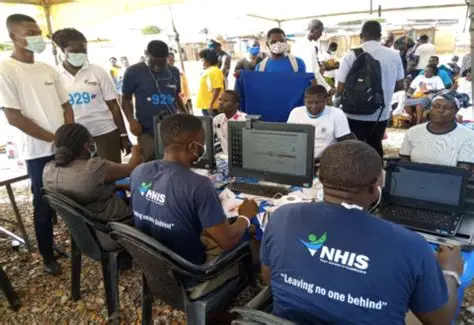
Health insurance is crucial for financial protection and access to timely medical care. In Ghana, most people rely on the National Health Insurance Scheme (NHIS), but private health insurance is becoming increasingly popular — especially among middle- and high‑income earners. This article breaks down the key differences, benefits, limitations, costs, and practical considerations to help you decide which option (or combination) makes sense for you.
1. What Is NHIS? Overview
The National Health Insurance Scheme (NHIS) is Ghana’s public health insurance system, established by the government in 2003 to improve access to healthcare and reduce out‑of‑pocket costs.
Key Features of NHIS:
- Government‑sponsored: Funded by the National Health Insurance Levy (NHIL), SSNIT contributions, premiums, and government support.
- Affordable: Annual premiums are low (generally under GHS 60), making it accessible for low‑income families.
- Broad safety net: Covers about 95% of common disease conditions — including outpatient services, maternity care, emergency treatments, basic labs, and essential medicines.
- Nationwide acceptance: NHIS cards are accepted at accredited public and private health facilities across Ghana.
Limitations of NHIS:
- Doesn’t cover advanced diagnostics (e.g., CT/MRI scans), specialized care like chemotherapy, dialysis, or high‑cost surgeries.
- May involve longer waiting times and supply shortages at public facilities.
- Reimbursement delays sometimes force providers to ask for supplementary payments.
- The scheme faces funding and sustainability issues, affecting service quality and enrollment.
👉 Learn more about NHIS on Wikipedia: National Health Insurance Scheme (Ghana).
2. What Is Private Health Insurance?
Private health insurance in Ghana is offered by corporate insurance companies (e.g., Enterprise Life, Glico Healthcare, Hollard, Phoenix Health) and provides tailored, comprehensive health plans for individuals and families.
Private Insurance Features:
- Broader coverage: Includes specialist consultations, advanced diagnostics (CT/MRI), branded medicines, chronic disease care, and sometimes international referrals.
- Access to private facilities: Patients often enjoy shorter wait times and more comfortable hospital amenities.
- Custom plans: Options can be tailored to your health needs and budget.
Drawbacks:
- More expensive: Annual premiums typically range from around GHS 1,200 – GHS 6,000+ or more for family coverage.
- Urban concentration: Many private providers focus on urban markets.
- Monthly or yearly payments may be a barrier for low‑income households.
3. Coverage Comparison: NHIS vs Private Insurance
| Feature | NHIS (Public) | Private Health Insurance |
|---|---|---|
| Cost | Low annual premium | Higher premiums, varies by plan |
| Basic Healthcare | ✔ Covered | ✔ Covered |
| Specialist Care | ❌ Limited/Excluded | ✔ Covered |
| Advanced Diagnostics | ❌ | ✔ Covered |
| Private Hospital Access | ❌ (basic only) | ✔ Included |
| Waiting Time | Longer | Shorter |
| International Treatment | ❌ | Sometimes Included |
| Customization | Minimal | High |
Sources: NHIS vs Private comparison.
4. Costs Explained
NHIS:
- Affordable with tiered contributions based on ability to pay.
- Some groups (children, pregnant women, SSNIT contributors) get free or subsidized access.
Private Insurance:
- Premiums can be significantly higher, often ranging in the thousands of Ghana cedis annually.
- Pricing is influenced by age, plan level, and additional benefits.
👉 According to a financial breakdown, a private family health plan may cost GHS 10,000–20,000 per year, while NHIS remains under GHS 300 for a family.
5. Pros & Cons at a Glance
NHIS Pros
✔ Affordable for most Ghanaians
✔ Coverage of common disease conditions
✔ Essential life event care (maternity, emergencies)
✔ Nationwide acceptance
NHIS Cons
✘ Coverage limited for advanced/expensive conditions
✘ Potential quality and wait time issues
✘ Funding and reimbursement delays •
Private Insurance Pros
✔ Broader services, specialist access
✔ Fast service and privacy
✔ Advanced diagnostics and options for international care
Private Insurance Cons
✘ Costly for average earners
✘ Not as widely used in rural areas
✘ Requires regular premium payments
6. Which Should You Choose?
There’s no one‑size‑fits‑all answer — the best choice depends on your budget, health needs, and risk tolerance:
- Low‑income individuals & families: NHIS provides essential coverage at low cost.
- Those with chronic conditions or higher healthcare needs: Private insurance can fill the gaps that NHIS leaves open.
- Strategic mix: Many Ghanaians combine NHIS with private insurance for broader protection.
7. Final Thoughts
The NHIS remains a cornerstone of Ghana’s pursuit of universal health coverage — especially for primary and basic care — but it is not a comprehensive solution for all healthcare needs. Private health insurance complements NHIS by offering wider coverage and better service quality for those who can afford it. Understanding the scope, cost, and limitations of each will help you make a more informed health planning decision.
External Resources
- 📌 National Health Insurance Scheme (Ghana) — Wikipedia for official info and updates.
- 📍 NHIS Benefits & Limitations — Detailed condition coverage (Accra Street Journal).

