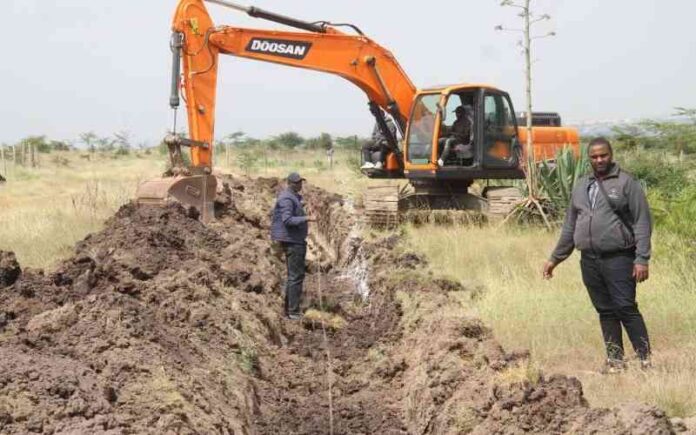
Land is one of the most valuable and sensitive assets in Ghana. Yet, with its growing population, urbanization, rising real estate demand, and a complex blend of statutory and customary land tenure systems, land disputes have become widespread and deeply entrenched in the society. Whether you’re a homeowner, investor, or inheritor of family land, understanding how land disputes arise—and how lawyers can help—is critical to protecting your property and rights.
According to recent reports, land disputes account for a massive share of cases in Ghana’s courts, with some workshops suggesting as many as about 90% of all court cases involving land matters such as ownership, boundary confusion, tenancy conflicts, and fraudulent transactions.
Why Land Disputes Are So Common in Ghana
1. Poor Documentation and Land Registration Issues
One of the biggest drivers of land disputes is improper or incomplete documentation. In many regions of Ghana, land buyers rely on simple consent letters from chiefs or family heads instead of proper title registration. Without a legally recognized title, claims of ownership become vulnerable to contradictory claims and legal challenges.
2. Double Sales and Fraudulent Practices
Cases where a single parcel of land is sold to multiple buyers—sometimes with forged documents—are a recurring source of conflict. Once different owners believe they hold valid claims, these disputes frequently end up in lengthy litigation.
3. Complex Legal and Customary Systems
Ghana’s land administration involves a mix of statutory law and customary practices. Chiefs and family heads often hold land in trust, yet disagreements arise over rightful succession, boundary interpretation, or customary allocations. Without clear legal processes, disputes multiply.
4. Urbanization and Population Pressure
Regions like Accra, Kumasi, and Tema are experiencing a land demand boom. Increased development pressure leads to overlapping claims, encroachment, and conflicts between traditional landowners and developers or government entities.
5. Court Backlog and Slow Legal Processes
The judicial system in Ghana is burdened with land cases, creating delays that can stretch disputes for years. Some legal experts have called for special procedural rules tailored to expedite land cases due to this backlog.
The Legal Framework for Land Disputes in Ghana
1. Land Act, 2020 (Act 1036)
The Land Act, 2020 (Act 1036) is currently the principal statute governing land ownership, registration, and dispute resolution. One of its key provisions is that before you can take a land dispute to court, you must first exhaust all Alternative Dispute Resolution (ADR) options such as mediation and arbitration.
2. Alternative Dispute Resolution Act, 2010 (Act 798)
ADR is designed to help parties resolve conflicts amicably without prolonged litigation. Ghana’s ADR Act and supporting institutions aim to promote mediation, negotiation, and arbitration as cost-effective and efficient dispute resolution tools.
3. Lands Commission and Judicial System
The Ghana Lands Commission oversees land registration and administration while courts—including specialized land courts in some regions—handle formal litigation when ADR fails.
How Lawyers Can Help You Navigate Land Disputes
Lawyers play an indispensable role in protecting your land rights and resolving disputes effectively. Below are key areas where legal expertise makes a difference:
1. Conducting Due Diligence Before Purchase
A lawyer will perform a comprehensive title search with the Lands Commission to confirm the land’s legal status, ownership history, and any existing encumbrances. This step can prevent conflicts before they begin.
2. Ensuring Proper Documentation and Registration
Your attorney will prepare or review critical documents such as indentures, site plans, and title registration paperwork, ensuring that your interest in the property is legally secure and enforceable in court.
3. Negotiation and Mediation
Many disputes, especially those involving family land or traditional authorities, are best resolved through negotiation or mediation. Lawyers represent your interests in ADR settings and help you reach agreements that avoid adversarial court battles.
4. Representation in Litigation
If ADR fails or is not appropriate, lawyers advocate for you in land courts or higher courts, presenting evidence on title validity, boundary disputes, or fraudulent transactions. They prepare legal strategies tailored to your case.
5. Enforcement of Court Judgements and Injunctions
When necessary, lawyers file for injunctions to stop encroachment or unlawful occupation while a dispute is ongoing. They also help enforce judgments and secure remedies like eviction or compensation when courts rule in your favor.
6. Advising on Complex Customary Land Issues
Because Ghana’s land tenure system includes both statutory and customary elements, a knowledgeable lawyer helps interpret traditional land rights and negotiate with chiefs or family authorities, minimizing misunderstandings.
Practical Tips to Avoid Land Disputes in Ghana
Whether you’re buying land or settling an inheritance, consider these practical steps—many of which are best guided by legal counsel:
✔ Get a Title, Not Just a Deed
Owned lands must be properly registered under the Land Title Registration system. This is your strongest legal defense against future conflicts.
✔ Conduct Multiple Searches
Before purchasing, have your lawyer conduct land searches at all relevant offices (Lands Commission, Stool Lands Office, District Assemblies) to verify legitimacy.
✔ Document Agreements in Writing
All land transaction terms must be captured in clear, signed agreements—with proper witnesses and legal guidance.
✔ Insist on ADR Before Litigation
Not only does the law require ADR attempts, but resolving disputes through mediation is often faster, less costly, and less damaging to relationships.
✔ Monitor Encroachments Early
If someone encroaches upon your land, timely legal action—like filing for an injunction—can protect your rights and prevent adverse possession claims.
Conclusion
Land disputes in Ghana are a complex, often emotional reality shaped by documentation gaps, traditional land tenure systems, and rising real estate pressures. While the courts remain a critical avenue for resolving severe conflicts, early legal intervention, proper documentation, and alternative dispute resolution can save time, money, and peace of mind.
For anyone dealing with land disputes in Ghana—whether purchasing, inheriting, or defending property—working with a qualified lawyer is not just helpful; it’s essential. Through due diligence, legal guidance, and effective representation, lawyers help safeguard your land rights and navigate Ghana’s intricate land laws with confidence.
External Resources
- Ghana Lands Commission – https://www.lc.gov.gh
- Land Act, 2020 (Act 1036) – GhanaLegal Acts repository
- Alternative Dispute Resolution Act, 2010 (Act 798) – ADR legal framework

