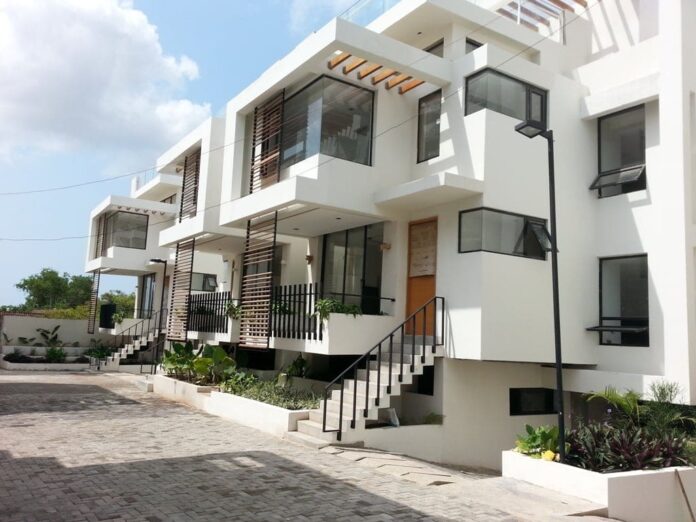
Ghana has become one of Africa’s most attractive real estate destinations for foreigners. With its stable democracy, fast-growing economy, welcoming culture, and strong ties to the diaspora, many investors and expatriates are eager to own property in Ghana.
However, buying property as a foreigner in Ghana comes with specific legal rules and procedures you must understand to avoid costly mistakes.
This guide explains how foreigners can legally buy property in Ghana, the restrictions involved, step-by-step processes, costs, risks, and expert tips to protect your investment.
Can Foreigners Buy Property in Ghana?
Yes, foreigners can buy property in Ghana, but not land outright.
Under Ghanaian law, foreigners cannot own freehold land. Instead, they can acquire property through a leasehold interest.
Key Legal Rule
- Foreigners can lease land or property for a maximum of 50 years
- Ghanaians can lease land for up to 99 years
- Lease agreements can usually be renewed upon expiration
This rule is backed by Article 266 of the 1992 Constitution of Ghana.
Types of Property Foreigners Can Buy in Ghana
Foreigners are allowed to invest in several property types, including:
1. Residential Property
- Apartments
- Condominiums
- Townhouses
- Detached houses
2. Commercial Property
- Office buildings
- Retail spaces
- Warehouses
- Hotels
3. Mixed-Use Developments
- Residential and commercial combined projects
Most foreign buyers prefer gated communities and serviced apartments, especially in Accra, East Legon, Airport, Cantonments, and Tema.
Step-by-Step Process for Foreigners Buying Property in Ghana
Step 1: Identify the Property
Work with:
- Licensed real estate developers
- Registered real estate agents
- Reputable property firms
Avoid informal land sellers unless you have strong legal backing.
Step 2: Conduct a Title Search
This is non-negotiable.
A lawyer will conduct a search at the Lands Commission of Ghana to confirm:
- True ownership
- Existing disputes
- Mortgages or encumbrances
- Valid land title or lease
👉 Official site: https://www.landscommission.gov.gh
Step 3: Hire a Qualified Property Lawyer
Never buy property in Ghana without a lawyer.
Your lawyer will:
- Verify documents
- Draft and review contracts
- Ensure compliance with Ghanaian law
- Register the lease in your name
Step 4: Negotiate and Sign the Sale Agreement
Once satisfied:
- Negotiate the price
- Agree on payment terms
- Sign a Sale and Purchase Agreement
- Pay a deposit (often 10%–30%)
Step 5: Register the Property
Registration happens at the Lands Commission and may take several months.
Documents registered include:
- Lease agreement
- Site plan
- Consent documents
- Stamp duty payments
Costs Involved When Buying Property in Ghana
Foreign buyers should budget for the following:
| Cost Item | Estimated Range |
|---|---|
| Property Price | Varies by location |
| Legal Fees | 5%–10% |
| Stamp Duty | 0.25%–1% |
| Registration Fees | 1%–3% |
| Agency Fees | 5% (if applicable) |
Can Foreigners Buy Land in Ghana?
Foreigners cannot buy land outright, but they can:
- Lease land for up to 50 years
- Develop property on leased land
- Transfer or sell remaining lease years
Always confirm how many years remain on the lease before buying.
Common Risks Foreign Buyers Must Avoid
1. Multiple Sales of the Same Land
Land disputes are common if due diligence is skipped.
2. Fake Landowners
Some sellers claim ownership without legal rights.
3. Unregistered Property
Unregistered land can lead to loss of investment.
4. Verbal Agreements
Never rely on verbal promises. Everything must be documented.
Best Cities in Ghana for Foreign Property Buyers
- Accra – Business hub, high rental demand
- Tema – Industrial and port city
- Kumasi – Growing commercial center
- Takoradi – Oil and gas investments
- Cape Coast – Tourism and short-term rentals
Can Foreigners Get Mortgages in Ghana?
Mortgage options for foreigners are limited but available through:
- International banks
- Diaspora-focused mortgage providers
- Developer financing plans
Interest rates are typically higher than in Western countries.
Property Ownership Rights for Foreigners
Foreigners have the right to:
- Rent out their property
- Sell their lease interest
- Transfer property to heirs
- Earn rental income legally
Rental income is subject to Ghana Revenue Authority (GRA) tax regulations.
👉 GRA: https://gra.gov.gh
Tips for Safe Property Investment in Ghana
- Always verify land titles
- Avoid cash payments without receipts
- Work only with licensed professionals
- Insist on registered documentation
- Be patient with registration timelines
Final Thoughts
Buying property in Ghana as a foreigner is legal, achievable, and profitable—but only when done correctly. Understanding leasehold rules, conducting due diligence, and working with qualified professionals will protect your investment and give you peace of mind.
Ghana remains one of Africa’s safest and most promising real estate markets for foreigners willing to follow the law.

