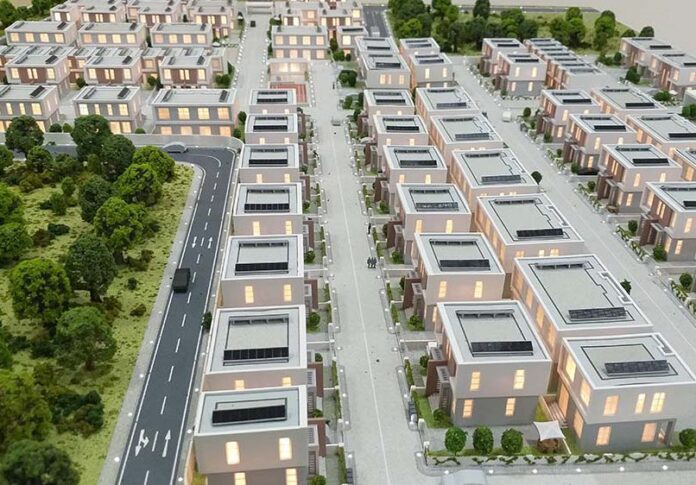
Real estate investment in Ghana has become one of the most talked-about wealth-building strategies in West Africa. With a growing population, rapid urbanization, diaspora interest, and increasing demand for housing and commercial property, many investors are asking a critical question: Is real estate investment in Ghana really worth it?
In this in-depth guide, we explore the opportunities, returns, risks, and practical considerations of investing in Ghana’s real estate market, whether you are a local investor, a Ghanaian in the diaspora, or a foreign buyer.
Overview of Ghana’s Real Estate Market
Ghana is one of Africa’s most politically stable and economically resilient countries. Cities like Accra, Kumasi, Tema, Takoradi, and Cape Coast have seen sustained growth in property demand over the past decade.
Key drivers of the market include:
- Rapid urban migration
- Population growth (over 33 million people)
- Rising middle class
- Increased foreign direct investment
- Diaspora remittances into housing and land
According to the World Bank, Ghana’s urban population continues to grow steadily, putting long-term pressure on housing supply and rental demand. This imbalance between supply and demand is one of the reasons real estate remains attractive.
Types of Real Estate Investments in Ghana
1. Residential Properties
Residential real estate is the most popular investment category. This includes:
- Apartments
- Gated community homes
- Townhouses
- Single-family homes
High-demand areas such as East Legon, Airport, Cantonments, Spintex, Adenta, and Oyarifa attract both short-term and long-term tenants.
2. Commercial Real Estate
Commercial properties include:
- Office spaces
- Retail shops
- Warehouses
- Mixed-use developments
With the growth of SMEs, fintech companies, and international firms, well-located commercial properties in Accra and Tema can generate strong rental yields.
3. Land Banking
Buying land in developing areas and holding it for future appreciation is common in Ghana. Areas on the outskirts of Accra, such as Dodowa, Prampram, Shai Hills, and Kasoa, have shown strong price growth over time.
However, land acquisition requires extreme caution due to title disputes.
4. Short-Term Rentals (Airbnb)
Short-term rentals are growing rapidly, especially in Accra. Business travelers, tourists, and returning diaspora prefer furnished apartments over hotels, often making Airbnb-style investments highly profitable.
Returns on Real Estate Investment in Ghana
Rental Yields
Rental yields in prime locations in Accra typically range between 6% and 12% annually, depending on property type, furnishing, and location.
Short-term rentals can outperform traditional rentals if managed properly.
Capital Appreciation
Property values in strategic areas have appreciated significantly over the last 10–15 years. Early investors in areas like Spintex and East Legon saw substantial returns as infrastructure improved.
Advantages of Investing in Real Estate in Ghana
1. Strong Demand
There is a persistent housing deficit in Ghana, estimated in the millions. Demand consistently outpaces supply, particularly for affordable and mid-range housing.
2. Stable Political Environment
Ghana is widely recognized as one of Africa’s most stable democracies, which increases investor confidence.
(Source: https://www.worldbank.org/en/country/ghana)
3. Diaspora-Friendly Investment Climate
Ghanaians abroad actively invest in property back home for retirement, rental income, or family use. Developers increasingly market directly to the diaspora.
4. Tangible Asset Hedge
Real estate provides a hedge against inflation and currency depreciation, which can be especially appealing in emerging markets.
Risks and Challenges to Consider
1. Land Title and Documentation Issues
This is the single biggest risk in Ghanaian real estate. Multiple sales of the same land, unclear ownership, and fraudulent sellers are common.
Always verify land titles through the Lands Commission of Ghana:
https://www.landscommission.gov.gh
2. High Upfront Costs
Prime properties in Accra can be expensive relative to average local incomes. Construction costs are also affected by imported materials and exchange rate fluctuations.
3. Property Management Challenges
If you live abroad, managing tenants, maintenance, and repairs can be difficult without a trusted local property manager.
4. Financing Limitations
Mortgage interest rates in Ghana are relatively high compared to developed markets, making cash purchases more common.
Legal Considerations for Foreign Investors
Foreigners cannot own freehold land in Ghana but can acquire leasehold interests (up to 50 years). Residential property purchases by foreigners are legal, provided all documentation is in order.
It is highly recommended to work with:
- A licensed real estate developer
- A qualified property lawyer
- Registered surveyors
Best Cities and Areas to Invest in Ghana
- Accra – Highest demand, strongest rental market
- Tema – Industrial and port city with growing housing needs
- Kumasi – Fast-growing population and commercial activity
- Takoradi – Oil and gas hub
- Cape Coast – Tourism-driven rental opportunities
Is Real Estate Investment in Ghana Worth It?
Yes, real estate investment in Ghana can be very profitable, but it is not risk-free.
It is worth it if:
- You conduct proper due diligence
- You verify land and property documents
- You invest in high-demand locations
- You plan for long-term holding or strong rental strategy
It may not be worth it if:
- You rush into land deals without verification
- You rely on verbal agreements
- You ignore legal and professional advice
Final Thoughts
Ghana’s real estate market offers solid long-term potential for investors willing to do things the right way. Whether you are building rental income, planning for retirement, or seeking capital appreciation, property in Ghana remains one of the most reliable investment vehicles in the country.
The key to success lies in location, legality, and patience.

