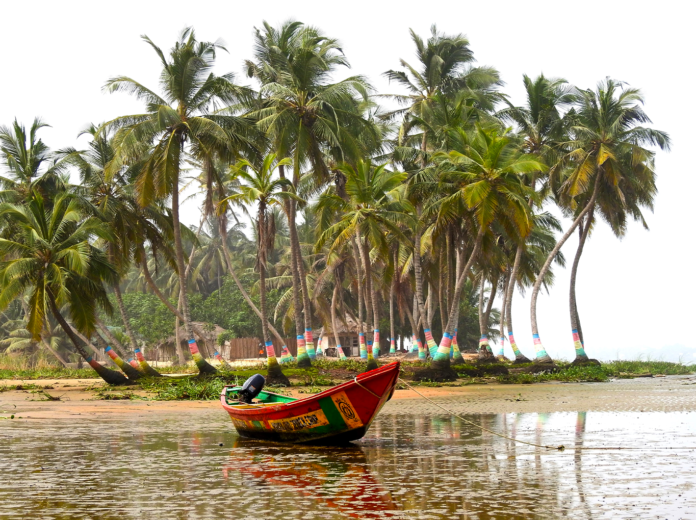
Ghana hospitality services explained represents a comprehensive understanding of the tourism and lodging industry that has become increasingly vital to the West African nation’s economic development. The hospitality sector in Ghana has experienced remarkable growth over the past decade, with international visitor arrivals increasing by an average of 8-12% annually since 2015. This expansion has created thousands of employment opportunities and contributed significantly to Ghana’s foreign exchange earnings, with the sector accounting for approximately 4.5% of the nation’s GDP. The country’s strategic location, rich cultural heritage, and stable political environment have positioned it as one of Africa’s leading hospitality destinations.
Understanding Ghana Hospitality Services Explained and the Industry Landscape
Market Growth and Economic Impact
Ghana hospitality services explained begin with understanding the dramatic transformation the sector has undergone since Ghana’s “Year of Return” campaign in 2019. This landmark initiative saw international visitor numbers surge to approximately 2.9 million visitors annually, generating over $4 billion in tourism-related revenue. The hospitality industry encompasses hotels, restaurants, resorts, tour operators, and event management companies that collectively serve both domestic and international clientele. Major hotel chains including Accra Marriott, Kempinski, and Hilton have established significant presences, while boutique properties and heritage hotels continue to proliferate in cities like Kumasi and Cape Coast.
Sector Composition and Employment
The hospitality workforce in Ghana comprises approximately 150,000 direct employees and an estimated 400,000 indirect workers supporting tourism-related activities. Training institutions such as the Accra Technical University’s School of Applied Sciences and numerous private hospitality colleges graduate hundreds of professionals annually to meet industry demands. The sector attracts investment from both domestic entrepreneurs and international corporations seeking to capitalize on Ghana’s tourism potential. Career paths in hospitality range from housekeeping and food preparation to management and ownership positions, offering opportunities for individuals at all education levels.
Ghana Hospitality Services Explained: Accommodation and Lodging Facilities
Hotel Categories and Classifications
Ghana’s accommodation sector presents diverse options catering to various budget levels and preferences, from ultra-luxury establishments to budget-conscious alternatives. Five-star hotels in Accra command nightly rates between $250-500, featuring world-class amenities, fine dining restaurants, and business facilities for corporate guests. Mid-range hotels typically charge $80-150 per night and dominate the market share, accounting for approximately 60% of overnight bookings. Budget accommodations and guesthouses offer quality stays at $20-50 nightly, with increasing standardization and improved service quality attracting backpackers and budget travelers seeking authentic experiences.
Resort and Hospitality Development
Ghana’s coastal regions, particularly around Accra and the Central Region, have witnessed explosive resort development creating world-class vacation destinations. Resorts in beach destinations like Labadi and Ada combine traditional Ghanaian architecture with modern amenities, offering all-inclusive packages and water sports facilities. Mountain retreats in the Ashanti Region provide eco-tourism experiences with sustainable practices and community engagement programs. The government’s Ghana Tourism Authority actively supports resort development through licensing, training partnerships, and budget friendly accommodation Accra initiatives designed to expand accessibility for middle-income tourists.
Food and Beverage Services in Ghana’s Hospitality Sector
Restaurant Industry and Culinary Standards
The food and beverage segment represents one of the fastest-growing components of Ghana hospitality services explained, with fine dining establishments expanding rapidly in major urban centers. Accra’s restaurant scene includes international cuisines from French, Italian, and Asian establishments to innovative fusion restaurants celebrating West African flavors and traditions. Quality control standards have improved significantly through training programs and certification requirements, with many establishments now adhering to international food safety protocols established by organizations like the Ghana Health Service. The sector employs professional chefs trained at institutions such as the Institute of Hospitality and Tourism Studies, ensuring consistent quality and innovative culinary experiences.
Culinary Tourism and Local Flavor
Ghana’s emerging culinary tourism segment promotes authentic local cuisine experiences that celebrate the nation’s gastronomic heritage and agricultural traditions. Food tours in Kumasi and Cape Coast have become increasingly popular, offering visitors opportunities to participate in market visits, cooking classes, and traditional meal preparations. Street food vendors and informal dining establishments, while less regulated, contribute significantly to tourism experiences and provide authentic encounters with Ghanaian culture. Contemporary restaurants now blend traditional recipes with modern presentation techniques, creating exciting culinary narratives that appeal to sophisticated international diners seeking authentic African experiences.
Tour Operations and Travel Services in Ghana
Tour Operator Professionalism and Certification
Ghana hospitality services explained necessarily includes the crucial role of tour operators who design and execute visitor experiences across the nation’s most compelling attractions. Licensed tour operators must comply with Ghana Tourism Authority regulations, obtain proper insurance coverage, and meet vehicle safety standards ensuring passenger protection and service quality. Organizations like the Ghana Inbound Tour Operators Association (GITOA) establish professional standards, facilitate training, and promote ethical business practices throughout the industry. Tour packages typically range from three-day cultural tours priced around $400-600 to comprehensive two-week journeys costing $3,000-5,000 including accommodation, transportation, and guided services.
Destination Attractions and Experience Design
Ghana’s portfolio of tourism attractions spans historical sites, natural wonders, and cultural experiences that tour operators expertly package for diverse visitor interests and budgets. Cape Coast and Elmina castles attract approximately 500,000 annual visitors seeking historical education about the transatlantic slave trade and colonial African history. Natural attractions including Kakum National Park’s canopy walkway, Mole National Park’s wildlife viewing, and pristine beaches draw adventure enthusiasts and nature lovers. Tour operators now incorporate community-based tourism experiences, artisan workshops, and cultural performances that generate direct income for local communities while providing authentic visitor encounters.
Event Management and Hospitality Services
Conference and Meeting Facilities
Ghana’s event hospitality services have expanded dramatically with construction of state-of-the-art conference centers and meeting facilities attracting international conferences, business summits, and corporate gatherings. The Accra International Conference Centre hosts international events accommodating up to 5,000 participants with simultaneous translation capabilities and broadcast facilities meeting global standards. Hotels throughout Accra offer dedicated business centers, breakout rooms, and catering services specifically designed for corporate events, training programs, and product launches. Event planners in Ghana increasingly employ technology solutions for registration, virtual attendance options, and hybrid event capabilities reflecting post-pandemic hospitality industry evolution.
Wedding and Social Event Services
The wedding and celebrations segment represents a profitable and rapidly expanding hospitality service sector, with couples increasingly selecting Ghana as their destination for ceremonies and receptions. Luxury venues throughout Accra and coastal regions offer customizable packages combining accommodation, catering, decorations, and entertainment for wedding parties spanning hundreds of guests. Professional event planners coordinate every detail from guest transportation to cultural performances, traditional ceremonies, and contemporary celebrations reflecting diverse cultural backgrounds. Wedding expenditures for destination celebrations typically range from $15,000-100,000 depending on guest count and service levels, with international couples increasingly choosing Ghana for its affordability compared to Western destinations.
Quality Standards and Professional Development in Ghana Hospitality Services Explained
Training and Certification Programs
Ghana hospitality services explained must address the critical importance of professional training and workforce development ensuring consistent service quality across the sector. The Institute of Hospitality and Tourism Studies (IHTS) operates as Ghana’s premier hospitality training institution, offering certificates, diplomas, and degree programs in hotel management, culinary arts, and tourism studies. Private training providers complement government institutions, offering specialized courses in customer service, food safety, housekeeping management, and hospitality technology systems. Apprenticeship programs connect entry-level workers with experienced professionals, creating pathways for skill development and career advancement in a sector experiencing persistent talent shortages.
International Standards and Quality Assurance
Ghana’s hospitality industry increasingly aligns with international quality standards through certification programs such as ISO 9001 quality management and industry-specific standards for hotels, restaurants, and tour operations. The Ghana Tourism Authority conducts regular inspections and maintains classification systems helping visitors identify establishments meeting established standards and expectations. Organizations including the South African Government tourism board and Department of Higher Education share best practices and regulatory frameworks influencing Ghanaian hospitality standards. Digital review platforms and international travel websites increasingly influence reputation management, compelling hospitality providers to maintain high standards and respond professionally to customer feedback.
Challenges and Opportunities in Ghana’s Hospitality Sector
Infrastructure Development and Investment Needs
Ghana hospitality services explained reveals significant infrastructure challenges including limited road networks, inconsistent electricity supply, and inadequate water systems affecting service delivery particularly in remote tourism destinations. The government’s National Infrastructure Plan prioritizes hospitality infrastructure development, targeting improved airport facilities, highway expansion, and utilities upgrade in tourism zones. Private sector investment remains essential, with hotel groups and resort developers investing hundreds of millions in facilities and infrastructure improvements throughout the country. Public-private partnerships increasingly finance infrastructure projects, creating sustainable solutions that balance government resources with private sector efficiency and expertise.
Sustainability and Community Impact Initiatives
Forward-thinking hospitality operators increasingly implement sustainability practices addressing environmental conservation, waste management, and community engagement requirements. Water conservation systems, renewable energy installations, and waste recycling programs have become competitive differentiators for upscale establishments seeking international certifications and environmentally conscious customers. Community-based tourism initiatives ensure tourism revenue directly benefits local populations through employment, artisan product sales, and cultural preservation funding. The NSFAS framework’s community engagement principles inform Ghana’s emerging sustainable tourism standards prioritizing equitable development and cultural respect.
Frequently Asked Questions About Ghana Hospitality Services Explained
What are the main types of accommodations available in Ghana?
Ghana offers diverse accommodation options including luxury five-star hotels in major cities like Accra, mid-range hotels representing the majority of available rooms, budget guesthouses and hostels, beachfront resorts with comprehensive amenities, and eco-lodges offering sustainable tourism experiences. Luxury establishments feature international standards with fine dining, business centers, and premium services, while budget options provide clean, comfortable rooms at affordable rates. Resort communities along coastal areas offer all-inclusive experiences combining accommodation, meals, and activities. The Ghana Tourism Authority maintains classifications helping visitors identify properties meeting their preferences and budget requirements, with online platforms providing comprehensive listings, photographs, and guest reviews.
How much does it cost to hire a tour operator in Ghana?
Tour operator costs vary significantly based on group size, trip duration, destination complexity, and included services, with typical packages ranging from $400-600 for three-day cultural tours to $3,000-5,000 for comprehensive two-week journeys. Budget operators may offer basic transportation and guidance at lower rates, while premium operators provide luxury transportation, exclusive access, expert guides, and personalized itineraries justifying higher pricing. Group discounts typically apply when organizing tours for ten or more participants, with corporate and educational groups negotiating specialized rates. Costs generally include ground transportation, professional guiding services, entrance fees, and sometimes meals, though accommodations may require separate arrangements or bundled packages.
What qualifications should hospitality workers in Ghana possess?
Professional hospitality workers in Ghana increasingly hold credentials from recognized training institutions including certificates from the Institute of Hospitality and Tourism Studies, hotel management diplomas, culinary arts certifications, or relevant degree programs from universities. Entry-level positions typically require secondary education completion plus hospitality training, while management roles increasingly demand bachelor’s degrees in hospitality management, business administration, or tourism. Customer service skills, language abilities (particularly English and increasingly French), and technology proficiency have become essential across all hospitality positions. Professional certifications in food safety, first aid, and specialized areas enhance career prospects and earning potential throughout the industry.
Which are Ghana’s best hospitality destinations for international tourists?
Accra dominates as Ghana’s primary hospitality hub offering world-class hotels, diverse restaurants, vibrant nightlife, and proximity to historical attractions including the Kwame Nkrumah Mausoleum and Independence Avenue cultural sites. Cape Coast and Elmina attract historically-focused visitors to castle sites connected to the transatlantic slave trade, with expanding accommodation options and local tour services. Beach destinations along the coastline from Labadi to Ada offer resort experiences, water sports, and relaxation opportunities. Northern regions including Kumasi, Tamale, and Mole National Park appeal to adventure travelers, wildlife enthusiasts, and cultural experience seekers interested in traditional Ashanti heritage and Savanna ecosystems.
How has technology impacted Ghana’s hospitality services?
Technology has revolutionized Ghana’s hospitality sector through online booking platforms reducing direct reservations, digital payment systems improving transaction efficiency, and property management systems streamlining operations across hotels and resorts. Social media marketing has become essential for hospitality businesses, with Instagram, Facebook, and travel platforms like TripAdvisor significantly influencing customer decisions and reputation management. Mobile applications now facilitate tour bookings, hotel reservations, and restaurant reservations, with international visitors expecting digital convenience. However, infrastructure limitations including inconsistent internet connectivity and power supplies present ongoing challenges, particularly for establishments operating outside major urban centers.
What are employment opportunities in Ghana’s hospitality sector?
Ghana’s expanding hospitality industry offers employment across numerous roles including hotel management, housekeeping, front desk operations, food preparation, cooking, restaurant service, tour guiding, event planning, and administrative functions. Entry-level positions provide immediate employment for individuals completing secondary education plus hospitality training, while career progression leads to supervisory, management, and ownership opportunities. Government initiatives promoting youth employment and entrepreneurship support hospitality startup funding and training for aspiring business owners. Competitive salaries for skilled professionals, commission opportunities for sales-oriented roles, and benefits including accommodation and meals make hospitality careers attractive to many Ghanaians.
How does Ghana’s hospitality sector contribute to economic development?
Ghana hospitality services explained demonstrates the sector’s critical role in national economic development, generating approximately $4 billion annually in tourism revenue and employing directly and indirectly over 500,000 individuals. Tourism represents one of Ghana’s fastest-growing economic sectors, attracting foreign direct investment and generating substantial foreign exchange earnings supporting national development priorities. Regional development initiatives leverage tourism infrastructure to create employment in less-developed areas, encouraging investment in transportation, utilities, and services throughout the country. The multiplier effect of tourism spending benefits agriculture, transportation, manufacturing, and retail sectors, creating widespread economic benefits beyond direct hospitality employment.
Final Thoughts and Actionable Insights
The comprehensive landscape of Ghana hospitality services explained reveals an industry experiencing dynamic growth, professional maturation, and increasing integration with global hospitality standards and practices. Ghana’s competitive advantages including rich cultural heritage, warm climate, affordable service costs, and political stability position the nation as an increasingly attractive destination for international travelers and investment opportunities. Industry stakeholders including government agencies, private operators, and training institutions must continue collaborating to address infrastructure challenges, develop workforce capacity, and implement sustainability practices ensuring long-term sector viability and positive community impact.
Prospective hospitality entrepreneurs, professionals seeking career advancement, and investors evaluating opportunities should recognize Ghana’s hospitality sector as a dynamic, growing industry offering significant potential for financial success and meaningful contribution to national development. The following recommendations address critical priorities:
- Invest in continuous professional development through recognized training programs and international certifications to remain competitive in an increasingly professionalized sector
- Embrace sustainable practices and community engagement initiatives as market differentiators and ethical imperatives improving operational resilience and reputation
- Leverage digital technologies and online platforms for marketing, customer engagement, and operational efficiency while addressing infrastructure limitations through strategic partnerships
- Participate in industry associations including GITOA and hotel groups to access networking opportunities, advocacy channels, and professional support resources
International visitors planning Ghana tourism experiences should research accommodations and services thoroughly using official tourism resources, verified review platforms, and recommendations from trusted travel sources. Supporting certified, professional hospitality providers ensures quality experiences while contributing to sustainable industry development benefiting Ghanaian communities. As Ghana’s hospitality sector continues expanding and maturing, both service providers and travelers play essential roles in establishing excellence standards and positive international relationships enhancing the nation’s tourism reputation and economic prosperity for decades to come.

