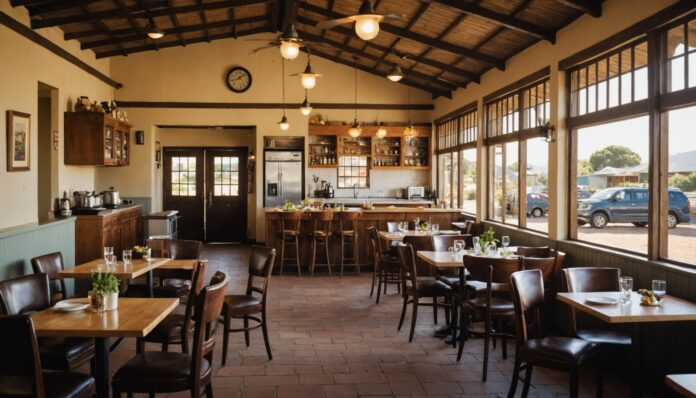
From a small South African town to global recognition, the hospitality industry has witnessed remarkable transformations over the past decade. These inspiring stories of entrepreneurship demonstrate how dedication, innovation, and customer service excellence can turn local establishments into destinations that attract international visitors. The journey from modest beginnings to successful hospitality ventures offers valuable lessons for aspiring hoteliers, bed and breakfast owners, and tourism professionals across Africa, particularly in emerging markets like Ghana.
The rise of hospitality businesses originating from small South African towns reflects a broader trend in Africa’s tourism sector. As travelers increasingly seek authentic experiences beyond major urban centers, small-town establishments have found their niche. These businesses offer personalized service, unique cultural experiences, and genuine connections that large hotel chains often cannot replicate. Understanding these success stories provides crucial insights for hospitality professionals in Ghana and other African nations looking to develop their tourism infrastructure.
The Origins: Building From Small Foundations
Starting with Limited Resources
Many successful hospitality entrepreneurs began their journeys from a small South African town with minimal capital and maximum determination. These founders often started in converted family homes, small guest houses, or modest lodge facilities. The constraints of limited budgets forced them to think creatively about operations, staffing, and marketing. Rather than viewing their small-town location as a disadvantage, these pioneers recognized it as an opportunity to create something distinctive. They invested heavily in personal relationships with guests, remembering names, preferences, and stories that made visitors feel genuinely welcomed.
The early years presented numerous challenges including irregular tourist flow, limited infrastructure, and competition from established urban destinations. However, entrepreneurs from a small South African town learned to work within these constraints. They developed flexible business models, created seasonal promotions, and built strong community connections. Many partnered with local artisans, farmers, and guides to offer comprehensive tourism packages that showcased regional culture and natural beauty. This resourcefulness became the foundation for sustainable growth and eventually, national and international expansion.
Community Integration and Local Sourcing
Successful hospitality businesses originating from a small South African town recognized the importance of integrating with their local communities. By sourcing food from local farmers, employing community members, and featuring local art and crafts, these establishments created authentic experiences that distinguished them from corporate chains. This approach not only enhanced the guest experience but also strengthened economic ties within the community, generating sustainable income for local families and small businesses.
The practice of community integration evolved beyond simple sourcing to encompass cultural education and preservation. Many hospitality businesses became repositories of local knowledge, with staff trained to share stories about regional history, traditions, and customs. Guests appreciated these educational components, creating memorable stays that generated positive reviews and word-of-mouth recommendations. This model has proven particularly valuable as travelers increasingly seek meaningful connections rather than superficial luxury.
- Direct farmer partnerships for fresh produce and ingredients
- Employment of local guides for nature walks and cultural tours
- Featuring local artists through gallery spaces and performances
- Training programs for community members in hospitality skills
- Revenue sharing models that benefit local economies
- Preservation of traditional crafts through retail partnerships
Strategic Growth and Market Expansion
Transitioning From Local to Regional Markets
The transition from serving primarily local and regional guests to attracting national and international visitors required strategic planning and investment. Businesses that originated from a small South African town had to enhance their facilities, improve their digital presence, and develop comprehensive marketing strategies. Many began by establishing relationships with tour operators, travel agencies, and online booking platforms. They invested in professional photography, engaging website design, and strategic content marketing that highlighted their unique value propositions.
Regional expansion often involved opening additional properties in nearby areas or developing partnerships with complementary businesses. Some entrepreneurs created hospitality networks that allowed guests to experience multiple locations throughout a region, creating larger tourism packages. This strategy helped small-town establishments compete with larger resort chains by offering variety and comprehensive travel experiences. The cooperative approach also reduced marketing costs through shared promotion and increased visibility across multiple channels.
Digital Transformation and Online Presence
Hospitality businesses from a small South African town had to embrace digital transformation to remain competitive. This included establishing professional websites, optimizing for search engines, and leveraging social media platforms. Many owners invested in training for staff members to handle online bookings, respond to guest inquiries efficiently, and manage digital customer relationships. The implementation of property management systems allowed small businesses to streamline operations and improve guest experiences.
Social media became a powerful tool for small-town hospitality establishments. Instagram, Facebook, and YouTube allowed owners to showcase their properties, share guest testimonials, and highlight local attractions and experiences. User-generated content from satisfied guests provided authentic marketing that proved more effective than traditional advertising. Many businesses also began offering virtual tours, creating accessible ways for potential guests to explore facilities before booking. This digital-first approach democratized marketing, allowing small establishments to compete with larger competitors despite budget constraints.
- Professional website development with mobile optimization
- Search engine optimization for location-specific keywords
- Active social media management across multiple platforms
- Email marketing campaigns for customer retention
- Online reputation management and review response strategies
- Virtual tours and 360-degree photography
- Integration with major booking platforms and travel aggregators
Quality Standards and Customer Service Excellence
Developing Consistent Service Standards
As hospitality businesses expanded from a small South African town to larger operations, maintaining consistent service quality became increasingly important. Successful entrepreneurs developed comprehensive training programs, standard operating procedures, and quality assurance systems. They understood that their reputation depended on every guest receiving the same level of care and attention, regardless of whether they stayed in the original property or a new location. Investment in staff training became a priority, with regular workshops on customer service, cultural sensitivity, and hospitality excellence.
Many establishments implemented guest feedback systems to continuously improve service delivery. They collected reviews through multiple channels, analyzed common themes, and made operational adjustments accordingly. This commitment to continuous improvement distinguished successful businesses from mediocre competitors. Staff members were empowered to make decisions that prioritized guest satisfaction, even if it meant occasional financial sacrifice. This guest-centric approach created loyal customers who returned repeatedly and recommended the establishments to friends and family.
Building Loyalty and Repeat Visitation
Loyalty programs and personalized service created strong connections between guests and hospitality businesses originating from a small South African town. Many establishments maintained detailed guest profiles including preferences for room types, dining choices, special occasions, and personal interests. Staff members used this information to create customized experiences, such as arranging special birthday celebrations, preparing favorite meals, or organizing activities aligned with guest interests. These personal touches transformed transactional relationships into meaningful connections that encouraged repeat visits.
Retention strategies extended beyond the stay itself. Successful businesses maintained contact with previous guests through personalized emails, special offers for return visits, and invitations to exclusive events. Many developed tiered loyalty programs that rewarded frequent visitors with upgrades, complimentary services, and access to premium experiences. This approach proved more cost-effective than constantly acquiring new customers, as returning guests required less marketing investment while generating consistent revenue.
| Service Element | Small South African Towns | Urban Centers | International Standards |
|---|---|---|---|
| Staff-to-Guest Ratio | 1:8 | 1:15 | 1:10 |
| Average Guest Review Score | 4.7/5 | 4.2/5 | 4.5/5 |
| Repeat Guest Rate | 45% | 25% | 35% |
| Staff Training Hours/Year | 120 | 60 | 100 |
| Average Guest Stay Duration | 4.2 nights | 2.1 nights | 3.5 nights |
Sustainability and Environmental Responsibility
Implementing Green Hospitality Practices
Progressive hospitality businesses from a small South African town have increasingly adopted sustainable practices that benefit both the environment and their bottom lines. These initiatives include water conservation systems, renewable energy installation, waste reduction programs, and organic gardening. Many establishments recognized that environmentally conscious practices appeal to modern travelers, particularly those from developed nations who prioritize sustainability. These green initiatives not only reduced operational costs through lower utility expenses but also attracted a growing segment of eco-conscious tourists.
The implementation of sustainable practices required initial investment but generated long-term savings and competitive advantages. Solar panel installations, rainwater harvesting systems, and efficient waste management reduced operating costs while improving environmental impact. Many businesses also obtained eco-certifications from recognized international organizations, which enhanced their credibility and marketing appeal. These certifications became valuable marketing tools that helped differentiate small-town establishments in competitive markets.
Preserving Natural Resources and Cultural Heritage
Hospitality businesses originating from a small South African town developed a vested interest in preserving the natural and cultural resources that attracted visitors. Many establishments implemented programs to protect local ecosystems, support wildlife conservation, and maintain cultural heritage sites. These conservation efforts extended beyond the properties themselves to encompass wider regional initiatives. Business owners partnered with environmental organizations, funded community conservation projects, and educated guests about local ecosystems and cultural significance.
This conservation approach aligned business interests with community welfare, creating mutually beneficial relationships. Hospitality entrepreneurs understood that their long-term success depended on maintaining the attractions and characteristics that made their destinations appealing. This forward-thinking approach transformed business owners into stewards of local resources, ensuring that tourism development supported rather than exploited communities. For travelers, this commitment to sustainability enhanced the authenticity and meaning of their visits, creating deeper connections to destinations and cultures.
- Solar and renewable energy system installations
- Water conservation and treatment technologies
- Comprehensive waste reduction and recycling programs
- Organic farming and permaculture practices
- Wildlife and ecosystem protection initiatives
- Cultural heritage preservation and education
- Carbon footprint monitoring and reduction goals
Lessons for Ghana’s Hospitality Industry
Applying South African Success Models to Ghana
Ghana’s hospitality sector can benefit significantly from the experiences of entrepreneurs who built successful businesses from a small South African town. The strategies employed by these pioneers—community integration, authentic experiences, and sustainable practices—align well with Ghana’s tourism potential and cultural richness. For those exploring Ghana hospitality industry overview, understanding South African models provides valuable insights. Ghana’s emerging tourism market offers similar opportunities for small entrepreneurs to establish distinctive hospitality ventures that attract international visitors seeking authentic African experiences.
Ghana’s government and private sector are increasingly recognizing the importance of developing hospitality infrastructure across diverse regions. The success of small-town South African establishments demonstrates that significant tourism potential exists beyond major urban centers. Entrepreneurs in Ghana can develop guest houses, eco-lodges, and cultural tourism experiences in towns and rural areas that offer unique attractions. Learning from South African examples, Ghanaian hospitality businesses can establish strong foundations through community integration, quality service, and authentic experiences before scaling operations.
Building Networks and Shared Resources
The cooperative networks developed by South African hospitality businesses provide valuable models for Ghana’s emerging entrepreneurs. By collaborating rather than competing exclusively, small establishments can share marketing costs, pool resources, and create comprehensive tourism packages. Ghana’s Best Hospitality in Ghana in South Africa 2026 guide highlights how businesses across different regions can complement each other. Networking organizations and industry associations can facilitate these collaborations, helping small businesses leverage collective strength.
For travelers seeking budget friendly accommodation Accra, networks of cooperating small establishments offer competitive advantages over isolated properties. These networks allow businesses to maintain competitive pricing while improving quality and expanding service offerings. Ghana’s hospitality sector can benefit from formal structures that facilitate information sharing, joint training programs, and coordinated marketing initiatives. Learning from South African cooperative models, Ghanaian entrepreneurs can build resilient networks that support individual business success while strengthening the broader industry.
- Industry association membership and networking events
- Cooperative marketing initiatives and shared promotion
- Joint training programs and skill development workshops
- Resource sharing arrangements for procurement and operations
- Mentorship programs connecting experienced and emerging entrepreneurs
- Standardized quality benchmarks and certification systems
- Data sharing and market intelligence platforms
Innovation and Future Directions
Embracing Technology and Modern Conveniences
The most successful hospitality businesses that grew from a small South African town have embraced technological innovation while maintaining their authentic character. Smart room technologies, mobile check-in systems, and digital concierge services enhance guest experiences without compromising the personal touch that distinguishes small establishments from corporate hotels. Investment in technology allows small businesses to operate more efficiently, collect valuable data about guest preferences, and personalize services at scale. The integration of technology should enhance rather than replace human interaction, creating hybrid experiences that combine convenience with personal connection.
Future-focused establishments are exploring emerging technologies including artificial intelligence, virtual reality, and blockchain-based loyalty systems. These innovations allow small businesses to compete with larger competitors in technical sophistication while leveraging their inherent advantages in personalization and community connection. Virtual reality tours can showcase properties to potential guests worldwide, while AI-powered chatbots handle routine inquiries efficiently. However, successful implementations maintain a human element, ensuring that technology serves to enhance rather than diminish the authentic hospitality experience that small establishments provide.
Addressing Economic and Social Challenges
Hospitality businesses originating from a small South African town have increasingly recognized their role in addressing broader economic and social challenges. Many establishments implement formal employment contracts with competitive wages, skills training programs that enable career advancement, and work-life balance policies that support employee wellbeing. Some businesses have developed scholarship programs for promising young people from disadvantaged backgrounds, creating pathways into the hospitality industry. This commitment to social responsibility generates positive community relations, improves employee retention, and creates meaningful employment opportunities.
Progressive hospitality entrepreneurs understand that sustainable business success requires contributing positively to their communities. Many establishments support local charities, fund educational initiatives, and advocate for policy changes that benefit their regions. This social responsibility approach aligns business interests with community development, creating win-win relationships. For international guests, supporting socially responsible hospitality businesses allows them to travel in ways that generate positive community impact. This alignment of business success with community benefit represents an evolution in how hospitality entrepreneurs view their role in society.
- Fair wage practices and competitive employment terms
- Comprehensive employee training and career development
- Scholarship and educational support programs
- Healthcare and wellness benefits for staff
- Community investment and charitable partnerships
- Advocacy for improved labor standards and worker protections
- Women and youth empowerment initiatives
Frequently Asked Questions
How can small hospitality businesses compete with larger chains?
Small hospitality businesses benefit from inherent advantages that larger chains struggle to replicate. The ability to provide personalized service, maintain authentic character, and integrate deeply with local communities creates unique value propositions. Entrepreneurs who grew successful operations from a small South African town succeeded by emphasizing these strengths rather than trying to imitate corporate properties. Success requires excellent customer service, efficient operations, strategic marketing, and continuous innovation. Small businesses should focus on creating distinctive experiences that align with guest desires for authenticity and meaningful connections, areas where they naturally excel compared to standardized corporate offerings.
What role does technology play in small hospitality ventures?
Technology enables small hospitality businesses to operate efficiently while enhancing guest experiences. Modern property management systems streamline operations, online booking platforms expand market reach, and social media creates affordable marketing channels. Digital tools allow small establishments to collect and analyze guest data, personalizing services at previously impossible scales. However, the most successful businesses that began from a small South African town used technology as a supplement rather than replacement for human interaction. The optimal approach integrates technology to enhance efficiency and convenience while maintaining the personal touches that distinguish small establishments from impersonal corporate environments.
How important is community integration for hospitality business success?
Community integration significantly influences long-term success and sustainability. Businesses that engage authentically with local communities benefit from strong customer loyalty, positive word-of-mouth marketing, and genuine stakeholder support. Employment of community members, sourcing from local suppliers, and supporting local artists creates economic benefits that extend beyond the business itself. These practices enhance the authenticity of guest experiences while building goodwill that protects business interests during challenging periods. Guest reviews increasingly mention community connection and local authenticity as factors influencing travel decisions, making community integration not merely virtuous but commercially strategic.
What sustainability practices provide the greatest business benefits?
Sustainability practices that simultaneously reduce costs and enhance guest experiences provide the strongest financial returns. Water conservation and renewable energy reduce utility expenses while appealing to environmentally conscious travelers. Waste reduction and organic gardening lower operational costs while creating unique selling points. Guest education about sustainability often enhances their experience, creating memorable stays that generate positive reviews. The most successful sustainable initiatives among businesses from a small South African town focused on practices offering immediate financial benefits while supporting long-term environmental and community goals. This alignment of environmental responsibility with business interests creates truly sustainable competitive advantages.
How can Ghana’s hospitality sector learn from South African examples?
Ghana can benefit from South African hospitality sector’s experience by studying successful business models, adopting proven management practices, and building networks that facilitate knowledge sharing. The combination of authentic experiences, excellent customer service, and community integration that built successful businesses from a small South African town applies directly to Ghana’s context. Ghana’s Ghana travel tips accommodation resources can emphasize small-town establishments that employ these proven strategies. According to the UNWTO, African tourism is growing rapidly, creating significant opportunities for entrepreneurs who adopt evidence-based approaches. Ghana should encourage formal mentorship relationships, industry associations, and knowledge-sharing platforms that connect emerging entrepreneurs with experienced hospitality professionals.
Conclusion
The remarkable journey of successful hospitality entrepreneurs who built thriving businesses from a small South African town demonstrates that location and initial resources need not limit success. Through dedication to exceptional service, integration with local communities, embrace of authenticity, and commitment to sustainability, small-town establishments have become destinations that attract visitors from across the world. These stories prove that success in hospitality depends more on mindset, execution, and genuine care for guests than on proximity to major urban centers or access to unlimited capital.
For entrepreneurs in Ghana and other African nations, these South African examples provide valuable roadmaps for hospitality sector development. The strategies that succeeded—community integration, quality service, authentic experiences, and environmental responsibility—are universally applicable and particularly valuable in emerging tourism markets. Ghana’s hospitality industry has tremendous potential for growth, especially as global travelers increasingly seek authentic African experiences beyond traditional

