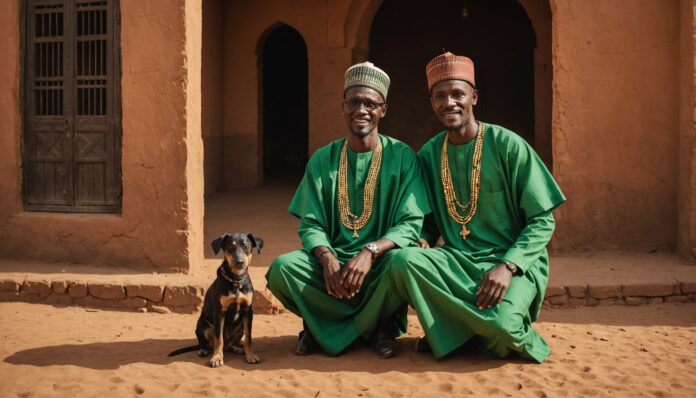
Nigeria Joins Morocco, South Africa, Kenya, and other emerging African nations in a transformative partnership that’s reshaping the continent’s hospitality and tourism landscape. This strategic alliance marks a pivotal moment for African hospitality, positioning member nations as world-class destinations competing on the global stage. For American travelers seeking authentic African experiences, understanding this coalition’s impact on accommodation, services, and tourism infrastructure is essential.
The partnership represents more than just business cooperation—it’s a commitment to elevating hospitality standards, improving tourism infrastructure, and creating sustainable economic opportunities across the African continent. As Nigeria Joins Morocco, South Africa, Kenya in this initiative, travelers from the United States will benefit from enhanced accommodations, better-trained hospitality staff, and more reliable tourism services throughout participating nations.
Understanding the African Hospitality Coalition
The Formation and Vision of the Partnership
Nigeria Joins Morocco, South Africa, Kenya as part of a broader vision to establish Africa as a premier global tourism destination. This coalition emerged from recognizing that African nations possess incredible natural resources, cultural heritage, and human capital but lacked coordinated strategies for international tourism development. The partnership aims to standardize hospitality services, share best practices, and collectively market African tourism to international audiences, particularly travelers from North America.
The vision encompasses creating a seamless travel experience across member nations, improving airport facilities, upgrading hotel standards, and training hospitality professionals to world-class levels. When Nigeria Joins Morocco, South Africa, Kenya in collaborative efforts, the result is a continental commitment to excellence. This coalition addresses historical challenges in African tourism, including inconsistent service quality, limited international marketing, and fragmented tourism infrastructure.
Key Member Nations and Their Roles
Each nation brings distinct strengths to the coalition. Morocco contributes its established luxury hospitality sector and European market connections. South Africa offers advanced tourism infrastructure and safari expertise. Kenya brings world-renowned wildlife tourism and Swahili culture. Now that Nigeria Joins Morocco, South Africa, Kenya in this partnership, the coalition gains Nigeria’s massive population, oil-related business tourism, and emerging luxury hospitality sector.
The roles aren’t merely competitive but complementary. Nigeria Joins Morocco, South Africa, Kenya in creating specialized tourism corridors where travelers can experience diverse African landscapes and cultures. Morocco focuses on Mediterranean and Atlantic coastal experiences, South Africa on safaris and adventure tourism, Kenya on wildlife and East African culture, while Nigeria develops emerging business and cultural tourism niches. This specialization prevents market cannibalization while encouraging tourists to visit multiple nations within a single African journey.
Impact on Hospitality Standards and Infrastructure
Accommodation Quality Improvements
Nigeria Joins Morocco, South Africa, Kenya in establishing unified hospitality standards that match international expectations. The coalition has implemented rigorous classification systems for hotels and resorts, ensuring that a four-star establishment in Lagos meets the same criteria as one in Cape Town or Marrakech. This standardization proves crucial for American travelers accustomed to consistent hotel experiences across the United States.
Investment in hotel infrastructure has accelerated significantly since Nigeria Joins Morocco, South Africa, Kenya in this partnership. Member nations are upgrading aging properties, constructing modern boutique hotels, and introducing international hospitality chains to underserved markets. Lagos, for instance, now boasts several five-star properties comparable to those in European capitals. The coalition’s work ensures that whether you’re seeking budget friendly accommodation Accra or luxury resorts in Lagos, quality standards are maintained.
- Installation of modern booking systems and digital payment infrastructure
- Training programs for housekeeping and front-desk staff in international hospitality practices
- Implementation of health and safety standards aligned with WHO guidelines
- Introduction of sustainable hospitality practices across member nations
- Development of boutique and heritage hotels celebrating local culture
Technology and Connectivity Advancement
A critical aspect of why Nigeria Joins Morocco, South Africa, Kenya in this coalition involves addressing technology gaps in hospitality infrastructure. American travelers expect reliable internet, digital payment systems, and online booking capabilities—amenities that weren’t universally available across African hotels until recently. The partnership has catalyzed rapid technology adoption in the hospitality sector.
Hotels and resorts across member nations now feature high-speed internet, contactless payment systems, and sophisticated property management software. Tourism boards have invested in digital marketing platforms to reach American audiences, while mobile apps facilitate booking accommodations, restaurant reservations, and activity planning. The coalition’s technology initiative ensures that travelers experience minimal friction when organizing trips across multiple member nations.
Tourism Growth and Economic Benefits
Job Creation and Workforce Development
Nigeria Joins Morocco, South Africa, Kenya in a transformative economic initiative that prioritizes human capital development. The hospitality sector employs millions across African nations, and the coalition has invested heavily in professional training programs. Hotels, restaurants, and tourism operations require skilled workers in housekeeping, food service, customer relations, and management—areas where the partnership focuses training efforts.
Tourism hospitality schools have expanded curricula, international hospitality companies have established training centers, and apprenticeship programs connect young Africans with career opportunities. When Nigeria Joins Morocco, South Africa, Kenya in these workforce initiatives, the ripple effects benefit entire communities. Young people gain marketable skills, families earn sustainable incomes, and tourism-dependent regions experience economic revitalization. The Ghana hospitality industry overview demonstrates similar patterns of employment growth driven by improved tourism infrastructure.
- Establishment of hospitality training centers in major tourist cities
- Partnership between hotels and universities for degree programs
- Certification programs in culinary arts, housekeeping, and guest services
- Mentorship programs connecting experienced hospitality professionals with trainees
- Career advancement pathways within hotel and tourism enterprises
International Tourism Revenue Growth
The economic impact of Nigeria Joins Morocco, South Africa, Kenya in this partnership manifests in measurable tourism revenue increases. International arrivals have grown significantly, with American travelers comprising an increasingly substantial portion of visitors. Tourism revenues fund infrastructure improvements, education, healthcare, and environmental conservation across member nations.
According to UNWTO, Africa’s tourism sector has experienced accelerated growth since coordinated partnerships like this coalition emerged. Nigeria Joins Morocco, South Africa, Kenya in capturing a growing share of global tourism spending, with American visitors appreciating authentic African experiences, diverse landscapes, and increasingly sophisticated hospitality services. The coalition projects that tourism will become a primary economic driver for member nations within the next decade.
| Nation | Annual International Arrivals (2023) | Tourism Revenue (USD Millions) | Primary Tourism Focus | Hotel Growth Rate |
|---|---|---|---|---|
| Morocco | 11.7 million | 9,600 | Coastal & Cultural | 7% annually |
| South Africa | 9.2 million | 7,800 | Safari & Adventure | 5% annually |
| Kenya | 2.2 million | 1,900 | Wildlife & Nature | 9% annually |
| Nigeria | 1.1 million | 620 | Business & Culture | 12% annually |
Cultural Exchange and Authentic Experiences
Preserving Heritage While Modernizing Services
Nigeria Joins Morocco, South Africa, Kenya in recognizing that authentic African tourism experiences depend on preserving cultural heritage while providing modern hospitality services. The coalition has established heritage tourism initiatives that showcase indigenous cultures, traditional arts, and historical sites without commodifying them or diminishing their significance. Hotels and tour operators undergo training to respectfully present cultural experiences to international visitors.
In Morocco, riads have been restored following traditional architectural principles while incorporating modern amenities. South African lodges have partnered with local communities to share Zulu and Xhosa cultures. Kenya’s eco-lodges employ local guides and artisans. Now that Nigeria Joins Morocco, South Africa, Kenya in these initiatives, similar programs are expanding across Nigeria’s diverse ethnic regions. American travelers benefit from genuine cultural immersion rather than superficial tourism experiences.
Community-Based Tourism Development
Nigeria Joins Morocco, South Africa, Kenya in empowering local communities as primary beneficiaries of tourism development. Rather than allowing tourism revenues to concentrate among foreign investors and national governments, the coalition encourages community-based tourism enterprises. Village homestays, artisan cooperatives, and local restaurants ensure that tourism spending directly benefits residents.
Community tourism enterprises provide American travelers with authentic experiences while generating income for families. A traveler might stay in a family-run guesthouse in a Nigerian village, learn traditional crafts from artisans, and dine on home-cooked meals prepared by community members. This model proves financially sustainable for communities while delivering memorable, authentic experiences to tourists. The coalition provides training and certification for community tourism operations, ensuring safety and service standards without sacrificing authenticity.
- Support for women entrepreneurs in hospitality and tourism services
- Microfinance programs for community guesthouses and restaurants
- Cooperative marketing helping small tourism businesses reach international audiences
- Educational programs teaching communities about tourism’s cultural and environmental impacts
- Revenue-sharing agreements ensuring communities benefit from national tourism initiatives
Sustainable Tourism and Environmental Stewardship
Eco-Hospitality Practices and Green Standards
Nigeria Joins Morocco, South Africa, Kenya in establishing environmental standards for hospitality operations across the continent. Luxury safaris in Kenya, coastal resorts in Morocco, and emerging eco-lodges in Nigeria must meet stringent sustainability criteria. The coalition recognizes that Africa’s natural wonders—from the Sahara to the Serengeti—constitute the primary appeal for many international tourists, making environmental protection economically essential.
Hotels now implement water conservation measures, renewable energy systems, and waste reduction programs. The coalition has banned single-use plastics in hospitality establishments, introduced eco-friendly cleaning products, and established recycling programs. Some properties have achieved carbon neutrality through renewable energy investments. When Nigeria Joins Morocco, South Africa, Kenya in environmental stewardship, the positive impacts extend beyond hospitality businesses to protect entire ecosystems that support wildlife, agriculture, and climate stability.
Wildlife Conservation and Protected Area Management
Nigeria Joins Morocco, South Africa, Kenya in linking tourism success to wildlife conservation outcomes. Safari tourism in South Africa and Kenya generates revenues that fund anti-poaching operations, habitat restoration, and community wildlife programs. The coalition has established guidelines ensuring that wildlife viewing doesn’t disturb animal behavior or damage ecosystems. Tourism operations in protected areas must demonstrate positive conservation outcomes.
Revenue-sharing agreements allocate portions of tourism income to conservation efforts. Rangers, wildlife biologists, and park managers receive stable funding rather than depending on uncertain government budgets. Communities living adjacent to protected areas benefit from tourism revenues, reducing incentives for poaching or habitat degradation. The model demonstrates that wildlife conservation and tourism prosperity can be mutually reinforcing rather than contradictory.
- Establishment of carbon offset programs for tourism-related emissions
- Partnerships between hotels and environmental conservation organizations
- Educational programs teaching travelers about conservation during their visits
- Investment in renewable energy infrastructure at tourist facilities
- Organic farming initiatives supporting hotel restaurants while reducing environmental impact
Marketing and International Promotion Strategies
Reaching American and International Audiences
Nigeria Joins Morocco, South Africa, Kenya in unified marketing campaigns targeting American and international travelers. Rather than competing against each other, member nations collaborate on promotional content highlighting Africa’s diversity. Tourism boards maintain websites in English and multiple languages, partner with travel influencers, and advertise in American media outlets. The coalition has recognized that many potential travelers lack accurate information about African tourism possibilities, perpetuating outdated stereotypes.
Marketing campaigns emphasize safety, luxury accommodations, and transformative experiences. Tourism boards have partnered with American travel agencies, hotel booking platforms, and travel media to increase visibility. The coalition funds travel writers and photographers to create compelling content about member nations. As Nigeria Joins Morocco, South Africa, Kenya in these marketing initiatives, the result is increased awareness among American travelers and stronger bookings for hotels and tour operators throughout the coalition.
Digital Marketing and Tourism Platforms
Nigeria Joins Morocco, South Africa, Kenya in investing heavily in digital tourism infrastructure. Tourism websites provide comprehensive information about attractions, accommodations, transportation, and safety. Mobile applications allow travelers to research destinations, book accommodations, and arrange activities. Social media campaigns showcase stunning imagery and traveler testimonials to build excitement about African tourism.
Online travel agencies now feature expanded sections for coalition member nations, with detailed hotel reviews, competitive pricing, and flexible booking options. The coalition has improved search engine optimization for tourism content, ensuring that American travelers researching African destinations encounter high-quality information. Virtual tours allow potential visitors to preview accommodations and attractions before booking. Investment in digital infrastructure demonstrates that Nigeria Joins Morocco, South Africa, Kenya in modernizing how tourism is marketed and accessed internationally.
- Development of comprehensive tourism websites with real-time booking capabilities
- Social media marketing showcasing authentic traveler experiences and photography
- Partnership with major travel platforms including TripAdvisor, Expedia, and Booking.com
- Search engine optimization improving visibility for African tourism queries
- Email marketing campaigns providing travel inspiration and special offers to American audiences
Frequently Asked Questions
What specific nations comprise this African hospitality coalition?
The primary coalition members are Morocco, South Africa, Kenya, and Nigeria, though other African nations participate in various initiatives. Nigeria Joins Morocco, South Africa, Kenya as core members, with organizations and frameworks accommodating participation from nations including Rwanda, Uganda, Botswana, Namibia, Senegal, and Ghana. The coalition maintains flexibility allowing additional nations to join as they develop tourism infrastructure meeting coalition standards.
How does this partnership affect hotel prices and availability for American travelers?
Nigeria Joins Morocco, South Africa, Kenya in expanding accommodation options across price ranges, from budget-friendly to luxury establishments. Rather than increasing prices, the coalition’s infrastructure improvements and increased competition have kept rates competitive while improving quality. American travelers now find more choices in every price category. For budget-conscious visitors, resources like budget friendly accommodation Accra demonstrate how coalition standards apply across economic tiers.
Are there safety concerns for American tourists visiting coalition member nations?
Safety standards have improved significantly as Nigeria Joins Morocco, South Africa, Kenya in hospitality initiatives. Hotels implement security protocols, tourism police operate in major cities, and tourism boards provide safety information to travelers. While travelers should exercise normal precautions as they would anywhere internationally, coalition member nations have invested heavily in tourism security. The coalition maintains dedicated tourism hotlines and emergency services for international visitors.
What types of visas do Americans need for coalition member nations?
Visa requirements vary by nation. Morocco grants Americans 90-day visa-free entry. South Africa offers 90-day tourist visas on arrival. Kenya requires advance visas obtainable online or on arrival. Nigeria requires advance tourist visas obtained from embassies or online. Nigeria Joins Morocco, South Africa, Kenya in streamlining visa processes for American travelers, with initiatives to reduce processing times and fees. Some proposals suggest eventual pan-African tourist visas facilitating multi-nation travel.
How can American travelers support community-based tourism in coalition nations?
Travelers can patronize locally-owned restaurants, guesthouses, and tour operators rather than exclusively international chains. Purchasing directly from artisans and craft cooperatives ensures income reaches makers rather than middlemen. Engaging with community tourism programs provides income for families while delivering authentic cultural experiences. Restaurants and accommodations owned by local residents should be prioritized when possible. Nigeria Joins Morocco, South Africa, Kenya in promoting community tourism, and travelers intentionally supporting these enterprises contribute to sustainable, equitable tourism development.
Conclusion
Nigeria Joins Morocco, South Africa, Kenya in a transformative coalition reshaping African hospitality and establishing the continent as a world-class tourism destination. This partnership demonstrates that coordinated regional cooperation can overcome historical tourism challenges while benefiting residents, preserving cultures, and protecting environments. For American travelers, the coalition’s work translates into better accommodations, reliable services, authentic cultural experiences, and the confidence that tourism dollars support sustainable development.
The coalition continues evolving, with plans to extend membership, enhance digital infrastructure, and develop specialized tourism corridors. For travelers considering African destinations, now represents an optimal time to visit coalition member nations. Whether seeking safari adventures in Kenya, coastal beauty in Morocco, adventure tourism in South Africa, or emerging business and cultural tourism in Nigeria, travelers will encounter modern hospitality standards, authentic experiences, and warm welcomes from communities benefiting from tourism development.
Interested in planning an African journey that supports sustainable tourism and community development? Explore Ghana travel tips accommodation options and regional alternatives. Research Best Hospitality in Ghana in South Africa 2026 to understand evolving tourism standards. Compare accommodations at various price points using the resources discussing budget friendly accommodation Accra and explore how the Ghana hospitality industry overview reflects broader African tourism trends. Book your African adventure today and experience firsthand how Nigeria Joins Morocco, South Africa, Kenya in delivering world-class hospitality and unforgettable travel experiences.

