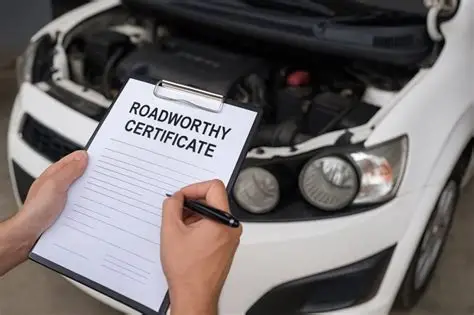
Ensuring your vehicle is roadworthy is not just a legal requirement in Ghana — it’s a critical part of road safety for you, your passengers, and everyone else on the road. In this comprehensive guide, we break down what a Roadworthy Certificate is, who needs it, how to get it, why it matters, and what happens if you ignore it.
What Is a Roadworthy Certificate?
A Roadworthy Certificate (often referred to as a road use certificate) is an official document issued by the Driver and Vehicle Licensing Authority (DVLA) in Ghana. It confirms that a vehicle meets the minimum safety and operational standards required to be driven legally on public roads.
It’s not just a piece of paper — it helps ensure safer vehicles are on the road, reducing accidents caused by faulty brakes, worn tires, defective lights, and other serious mechanical issues.
Who Needs a Roadworthy Certificate in Ghana?
According to the Road Traffic Regulations (L.I. 2180), every motor vehicle used on public roads must have a valid roadworthy certificate.
Commercial Vehicles
- Buses
- Taxis
- Trucks
- Stage carriages
These vehicles are required to undergo inspections every six months and must have an up‑to‑date roadworthy certificate during operation.
Private Vehicles
Private cars also need a roadworthy certificate, usually valid for 12 months, in order to be legally driven on Ghana’s roads.
Note: DVLA has emphasized frequent renewal and inspection enforcement to tackle unsafe vehicles.
Why a Roadworthy Certificate Matters
1. Legal Compliance
Driving without a valid roadworthy certificate is against Ghana’s road regulations. If stopped by law enforcement, you may be fined or face delinquency charges from DVLA.
2. Road Safety
A certified vehicle has passed safety checks — meaning its brakes, lights, steering, tires, and other crucial components are verified as safe for public use. This helps prevent accidents and protect lives.
3. Vehicle Registration & Transfer
When registering a new vehicle or transferring ownership, a roadworthy certificate is often required to complete the process.
How to Get a Roadworthy Certificate in Ghana
Here’s a step‑by‑step process:
Step 1: Prepare Your Vehicle
Before inspection, ensure your vehicle is well‑maintained:
- Brakes are functional
- Tires are in good condition
- Lights work properly
- Windshield and mirrors are intact
Step 2: Visit a DVLA Inspection Centre
Take your vehicle to any authorized DVLA testing center or accredited station. The authorized inspector will evaluate your vehicle based on safety standards.
Step 3: Pass the Inspection
If your vehicle meets the required standards, it will be certified as roadworthy. A certificate (often with a sticker or electronic tag) is issued and must be displayed as required.
Step 4: Renew Regularly
- Commercial vehicles: Usually every 6 months
- Private vehicles: Typically every 12 months
The DVLA periodically reminds motorists to renew their certificates on time to avoid penalties.
New Digital Roadworthy Stickers
The DVLA has launched electronic roadworthy stickers to replace the old manual ones. These are more secure and help reduce fake certifications.
Electronic systems often include features like QR codes to verify authenticity.
What Happens If You Don’t Have One?
Driving without a valid roadworthy certificate can lead to:
- Fines and delinquency charges by DVLA.
- Traffic stops and inspections by Ghana Police Service.
- Vehicle impoundment in some enforcement cases.
- Legal penalties if certificates are forged or falsified.
The Ghana Police and Transport Ministry have been intensifying enforcement to remove unsafe vehicles from roads — especially those that acquire certificates fraudulently.
Tips to Pass Your Roadworthy Inspection
✔ Perform regular maintenance — not just before the test.
✔ Fix visible defects — such as broken lights or worn tires.
✔ Keep documentation updated — that includes insurance and registration papers.
✔ Use trusted mechanics to prepare your vehicle before inspection.
External Resources & Legal Framework
For full legal details on road traffic regulations in Ghana, you can visit the Road Traffic Act (Act 683) and the Road Traffic Regulations (L.I. 2180) which outline the requirements for vehicle inspection and road use certification.
Conclusion
A Roadworthy Certificate in Ghana is more than just a legal requirement — it’s a commitment to road safety. Whether you operate a commercial fleet, a ride‑hailing vehicle, or a personal car, understanding how roadworthiness works and staying compliant protects you and everyone else on the road.

