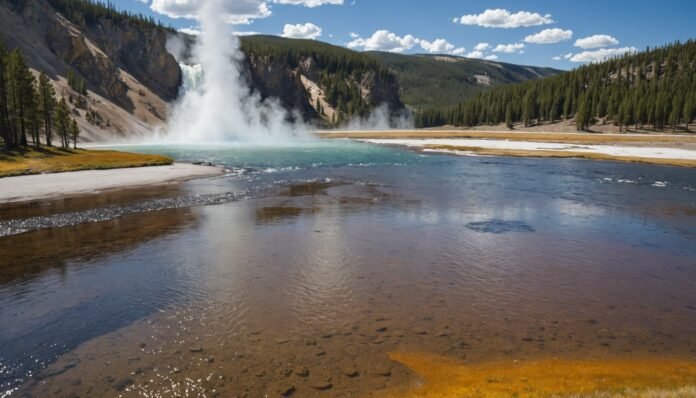
The best time to visit Yellowstone depends entirely on what kind of experience you’re after, and the answer differs dramatically based on whether you want solitude, wildlife watching, comfortable weather, or dramatic seasonal displays. This guide walks you through each season’s specific advantages and drawbacks, helping you pick the right window for your priorities. You’ll also discover how weather, accessibility, and wildlife patterns shift throughout the year.
Summer: Peak Season and Maximum Access
Why Summer Draws the Crowds
Summer, roughly June through August, represents the busiest season at Yellowstone. All roads open completely, and the entire park becomes accessible by vehicle. The weather is predictable and mild during the day, typically ranging from 65 to 80 degrees Fahrenheit, making it comfortable for hiking and exploring. This is when most families vacation, schools are out, and international visitors have the easiest travel access.
The park’s geothermal features perform spectacularly in summer. Old Faithful erupts with remarkable consistency, and hot springs display vibrant colors as thermophilic bacteria thrive in the warm conditions. The Grand Prismatic Spring appears almost impossibly blue, and steam vents produce dramatic visual effects throughout the morning hours. If photographing these thermal features matters to your trip, summer provides optimal lighting and visibility.
The Trade-offs of Summer Visits
Crowds during peak summer can make popular viewing areas feel like parking lots. The Grand Canyon of the Yellowstone, Lamar Valley, and Old Faithful regions attract thousands of visitors daily. Parking becomes difficult by 10 a.m. at major attractions, and you may spend more time finding spots than actually viewing wildlife or scenery. Noise levels increase significantly, which disrupts the natural soundscape and makes it harder to experience the park’s wilderness character.
Summer heat also means certain trails and areas become less appealing. Thermal features can be harder to spot in midday sun because steam dissipates quickly. Wildlife moves to higher elevations to escape heat, so early morning and late evening hours are essential for sightings. If you’re traveling on a tight budget or working with family schedules, summer often means paying peak-season lodging rates and dealing with fully booked accommodations months in advance. This is a good time to remind yourself that if you’re planning a gap year or career change, visiting Yellowstone as part of personal development might interest you as much as how to get a scholarship to study abroad.
Fall: Wildlife Activity and Fewer Visitors
September and October Wildlife Viewing
Fall, particularly September and early October, offers some of Yellowstone’s best wildlife watching opportunities. The park’s ungulate populations become more active and visible as they prepare for winter migration. Elk bugling season peaks during September, and hearing bulls call across valleys creates unforgettable moments. Bison gather in meadows, grizzly bears become more active foraging for berries and cutthroat trout, and wolves are frequently spotted in the Lamar Valley.
The thermals and geysers remain accessible and spectacular. Though not quite as vivid as summer, the colors in hot springs remain impressive, and fewer visitors mean you can photograph them without crowds in your frame. The weather cools gradually, with daytime temperatures ranging from 50 to 65 degrees Fahrenheit, allowing for comfortable hiking and hiking without the intense midday heat. Many trails feel peaceful and intimate during fall, offering the wilderness experience that summer crowds eliminate.
Weather Challenges and Shorter Days
Fall’s primary drawback is unpredictable weather. September can still be pleasant, but by October, snowfall becomes possible at higher elevations. Some roads begin closing late in the month, particularly those crossing high passes. Daylight hours shrink rapidly, limiting your time to explore and photograph. By late October, sunset occurs around 5 p.m., forcing early departures from areas like the Grand Canyon of the Yellowstone if you want daylight exploration.
Lodging availability becomes easier and cheaper than summer, but many facilities close by late September or early October. Plan ahead if you’re visiting mid-fall, as your options narrow considerably. The park’s northern entrance and roads near it remain open year-round, but other sections close seasonally, restricting your ability to access the entire park.
Winter: Solitude and Snow-Covered Landscapes
Exclusive Winter Access and Activities
Winter transforms Yellowstone into an entirely different destination. The park closes to regular vehicle traffic from early November through late March, but remains open to snowmobiles and over-snow travel. This creates genuine solitude and a wilderness experience impossible during other seasons. Fewer than 10 percent of summer visitors experience the park in winter, meaning you’ll have geysers, thermal features, and landscapes almost entirely to yourself.
The thermal features become more visually dramatic in winter. Hot water creates massive steam clouds that freeze into ethereal ice sculptures. Old Faithful erupts with impressive steam plumes shooting high into cold air. Bison gather near thermal vents for warmth, creating photographic opportunities unavailable in warmer months. If you’re serious about wildlife photography or want to capture Yellowstone in an unconventional way, winter offers unique perspectives that professional photographers seek.
Practical Limitations and Costs
Winter requires specific equipment and planning. Standard vehicles cannot access most of the park. Snowmobiles and snow coaches (enclosed heated vehicles) are the primary transportation methods, and these require rental fees, reservations, and operating costs that add significantly to your trip budget. Park regulations limit snowmobile access to designated routes, so you cannot explore freely. Daily entry permits and equipment rentals make winter visits expensive compared to other seasons.
Weather presents real safety concerns. Temperatures regularly drop below zero Fahrenheit at night, and whiteout conditions can develop quickly. The park remains open but conditions can deteriorate without warning. You must be prepared for extreme cold, and emergency services response times are longer. Winter is not suitable for casual visitors or those uncomfortable with cold-weather travel. However, if you’re considering how your travel experiences contribute to personal growth or career development—similar to how some travelers use trips to research how to get a scholarship to study abroad—winter Yellowstone offers transformative solitude.
Spring: Rebirth and Unpredictability
Wildlife Migration and Thermal Displays
Spring, typically April and May, marks the park’s rebirth. Snow melts, rivers swell, and wildlife becomes increasingly visible as animals move through the valley to summer ranges. Grizzly bears emerge from hibernation and are spotted more frequently during spring than any other season. Bison calves appear in late May, adding to wildlife watching appeal. The landscape transitions from stark white to green, with wildflowers beginning to bloom toward month’s end.
Geothermal features display exceptional colors during spring. Mineral-rich runoff from melting snow creates vibrant patterns in thermal pools that differ from summer’s hues. The added water from snowmelt increases geyser activity and hot spring flow. If you’re interested in geology and thermal phenomena, spring offers scientific interest alongside visual appeal. The park feels alive with change and transition.
Road Closures and Weather Variability
Spring presents a major challenge: roads open gradually and unpredictably. The park’s high elevation means snowfall continues through April and sometimes into May. Road crews work continuously to clear passes, but sections remain closed. Major roads typically open by late April, but higher elevation routes may not be passable until late May. This variability makes spring travel require flexibility. You cannot assume all roads will be open for your visit.
Weather swings dramatically in spring. A day can begin with morning frost and end with 70-degree afternoon temperatures. Snow can fall at higher elevations while valleys enjoy pleasant sunshine. Hypothermia remains a risk for unprepared hikers. Lodging availability is better than summer but many facilities don’t open until mid-May. Some visitor services remain closed. If you’re planning a spring visit, build in flexibility for road closures and pack clothing for multiple weather conditions.
Comparing Seasons: What You Get in Each
Weather and Comfort Considerations
Comfort levels vary dramatically by season. Summer offers warm, predictable weather but crowded conditions. Fall brings cool temperatures, manageable crowds, and excellent wildlife viewing. Winter demands extreme cold preparation but delivers solitude. Spring presents variable conditions and limited access but rewards you with wildlife and thermal displays. Your cold tolerance and weather preferences should heavily influence your choice.
| Season | Temperature Range | Road Accessibility | Crowd Level | Wildlife Visibility | Thermal Features |
|---|---|---|---|---|---|
| Summer (June-August) | 65-80°F | All roads open | Peak crowds | Limited (heat) | Vibrant colors |
| Fall (Sept-Oct) | 50-65°F | Most open, some close late Oct | Manageable | Excellent (elk rut) | Good colors |
| Winter (Nov-March) | -10 to 30°F | Snowmobile only | Minimal | Excellent (warmth seeking) | Dramatic ice formations |
| Spring (April-May) | 40-60°F | Gradual openings | Moderate | Very good (migration) | Vibrant, variable |
Budget and Logistics
Cost considerations extend beyond entry fees. Summer demands premium lodging rates months in advance. Fall offers moderate pricing and better availability. Winter requires specialized equipment rentals and guided tours, increasing total costs significantly. Spring falls between summer and fall for pricing. Consider not just park fees but accommodation, dining, transportation, and equipment costs when calculating your total budget.
- Summer: Book 6-12 months ahead, expect $150-300+ per night for lodging
- Fall: Book 2-3 months ahead, expect $80-150 per night
- Winter: Plan 1-2 months ahead, snowmobile rentals add $300-500 per day
- Spring: Book 1-2 months ahead, expect $70-120 per night
Special Considerations Beyond Season
Wildlife Watching Peak Times
If wildlife viewing is your primary goal, timing matters more than which season you choose. Early morning and late evening provide the best viewing in any season. The Lamar Valley offers the most reliable wildlife sightings year-round. Fall (September through October) combines comfortable weather with peak visibility of elk, bison, and bears. Spring and early summer provide different species opportunities but require patience and early starts.
Photography enthusiasts should note that lighting conditions vary by season and time of day. Summer’s high sun angle creates harsh shadows during midday. Spring and fall offer lower sun angles that produce better-defined shadows and warmer colors. Winter’s low sun angle creates dramatic light even at midday. If thermal feature photography matters to you, early morning in any season produces the most impressive steam clouds.
Accessibility for Different Travel Styles
Families with school schedules typically visit in summer despite crowds. Retirees and flexible travelers can choose fall or spring for better experiences with fewer people. Adventure travelers might embrace winter’s challenges. Solo travelers often find fall offers the best balance of safety, comfort, and solitude. Travelers with mobility concerns should visit during peak season when all facilities operate and roads remain open year-round. If you’re planning a career sabbatical or year off and exploring different travel styles, Yellowstone’s varied seasons support different trip types—somewhat like how students exploring affordable countries to study abroad must match their preferences to their situation.
Luxury travelers typically prefer summer’s full amenities and comfortable weather. Budget travelers find fall and spring more economical. Those seeking unique, less-photographed experiences gravitate toward winter or spring. Your travel philosophy and comfort level should influence your timing as much as weather conditions.
Frequently Asked Questions
What month has the best weather for visiting Yellowstone?
September and early October offer the most reliably pleasant weather, with daytime temperatures between 50 and 65 degrees Fahrenheit. This avoids summer’s heat and crowds while remaining warmer than late fall. July and August are warmest but most crowded. If you prefer specific warm weather, July and August average 75-80 degrees during the day, though nights cool significantly even in summer.
When should I visit Yellowstone if I want to avoid crowds?
Visit during fall (September-October) for manageable crowds while maintaining good road access and comfortable temperatures. Winter offers complete solitude but requires specialized equipment. Late spring (mid-May onward) provides moderate crowds once roads fully open. Early June and late August fall between peak summer crowds and shoulder seasons. Winter visitors encounter virtually no crowds but face extreme weather and limited access.
Can I visit Yellowstone in winter with a regular car?
No. Regular vehicles cannot access Yellowstone during winter months (early November through late March). Only snowmobiles, snow coaches, and other over-snow vehicles are permitted. Some surrounding roads may be plowed, allowing limited winter access to specific viewpoints outside the main park boundary, but interior park roads require snowmobile or snow coach travel. Plan accordingly if winter interests you.
Is spring a good time to visit Yellowstone for first-time visitors?
Spring can work for first-timers but requires flexibility. Many roads remain closed in April, potentially limiting access to certain areas you planned to see. If visiting early spring (April), budget extra time and flexibility. Mid-May through May offer better road access and pleasant weather, though still cooler than summer. First-time visitors seeking guaranteed access to all areas should visit June through September, acknowledging crowds are part of that trade-off.
When do geysers erupt most frequently at Yellowstone?
Old Faithful erupts regularly year-round, with slightly more predictable intervals in summer when thermal activity peaks. The intervals average 60-110 minutes regardless of season. Other major geysers like Grand Prismatic Spring display more vivid colors in summer due to increased thermophilic bacteria activity. Winter produces dramatic steam formations but fewer visible color variations. For general geyser activity, summer and fall offer the best balance of visibility and thermal display.
Conclusion: Matching Your Priorities to the Right Season
The best time to visit Yellowstone ultimately depends on what experience matters most to you. Summer works for complete accessibility and comfortable weather, accepting crowds as a trade-off. Fall delivers an exceptional balance of manageable numbers, good weather, and excellent wildlife viewing. Winter offers unmatched solitude and dramatic scenery but demands serious cold-weather preparation. Spring provides transitions and migrating wildlife but requires flexibility around road openings.
Consider your priorities honestly. If accessibility and comfort rank highest, summer or early fall serve you well. If you crave wildlife encounters, fall or early summer work best. If solitude and unique experiences drive your decision, winter or spring reward adventurous travelers. Budget, physical comfort level, photography goals, and crowd tolerance should guide your final choice more than any single factor.
Book your visit with realistic expectations about what each season delivers. Research current road conditions before spring and fall trips. If you’re planning time away for personal development or exploring how travel shapes your perspective—the way some travelers research NSFAS application requirements 2026 or cybersecurity insurance for businesses during planning phases—Yellowstone’s diverse seasons support many different personal goals. Plan your trip with intention, prepare properly for the season you choose, and you’ll create meaningful memories regardless of when you visit.

