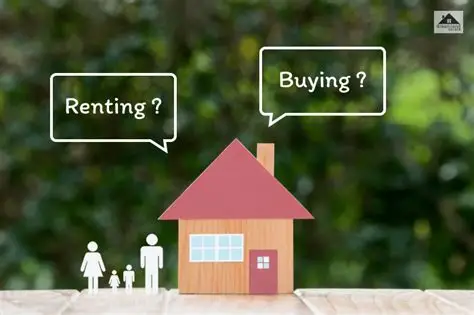
Deciding whether to rent or buy a house in Ghana is one of the most important financial and lifestyle choices many residents, expatriates, and members of the Ghanaian diaspora face. Each option has its advantages and challenges, and the right choice depends on your personal goals, finances, and long‑term plans. In this detailed blog post, we’ll explore the pros and cons of renting vs buying in the Ghanaian housing market—and help you make an informed decision.
🏠 The Current Ghanaian Housing Landscape
Understanding the housing market in Ghana is crucial before comparing renting and buying. Property prices vary widely based on location, size, and amenities. In prime areas like Accra, homes are often more expensive, while suburbs and other cities like Kumasi offer more affordable options. According to recent data, the median housing price in Ghana is around GHS 1.4 million (roughly $127,000) with a significant range depending on the type and location of property.
Similarly, the rental market is dynamic. In cities like Accra, 2–3 bedroom homes can command monthly rents in the thousands of Ghanaian cedis, while smaller or suburban rentals are more affordable. Demand remains strong, particularly in urban centres where employment opportunities and infrastructure attract residents.
📌 Pros of Renting a House in Ghana
1. Lower Upfront Costs
Renting generally requires a security deposit and initial rent payments, making it more accessible for many people—especially young professionals, students, or those without a large savings cushion.
2. Greater Flexibility
Need to relocate for work, school, or family reasons? Renting allows you to move with relative ease without the burden of selling a property.
3. Maintenance Is Not Your Responsibility
In many rental arrangements, landlords are responsible for major repairs and upkeep, saving you time and unexpected expenses.
4. Access to Prime Locations
Renters may be able to live in desirable urban centres that would otherwise be financially out of reach if buying a property there.
📌 Cons of Renting
1. No Equity or Long‑Term Investment
Every rent payment goes to the landlord. You don’t accumulate equity or benefit from potential property appreciation.
2. Rent Increases and Uncertainty
Rental prices can rise, lease terms can change, and landlords may choose not to renew contracts—leading to possible relocation.
3. Limited Personalisation
As a renter, you may face restrictions on renovating, painting, or modifying the space to make it your own.
🏡 Pros of Buying a House in Ghana
1. Build Equity and Wealth
Buying a home means that mortgage payments gradually build your ownership stake. Over time, as property values appreciate—a trend seen in many areas of Ghana—you gain long‑term financial benefit.
2. Stability and Control
As a homeowner, you have control over your living space and don’t have to worry about rent increases or being asked to move.
3. Customization and Freedom
Homeowners can renovate, remodel, and change their home environment to suit their needs and tastes.
4. Potential Passive Income
If you choose, you can rent out your property as an investment, generating potential monthly income and higher rental yields in some Ghanaian markets compared to other investments.
❌ Cons of Buying
1. High Upfront and Ongoing Costs
Purchasing a house in Ghana comes with substantial upfront costs like down payments, legal fees, stamp duty, and sometimes agent fees.
2. Maintenance and Responsibility
Homeowners are fully responsible for all maintenance, repairs, and associated costs—both expected and unexpected.
3. Less Flexibility
Owning a home makes it harder to relocate quickly, particularly if selling takes time or if market conditions are unfavorable.
🔍 So, Which Should You Choose?
There’s no one‑size‑fits‑all answer. Your choice depends on your financial situation, life goals, and how long you plan to stay in a particular location.
👉 Renting may be best if:
- You’re early in your career or mobile.
- You want to keep upfront costs low.
- You’re unsure where you’ll be in the next few years.
👉 Buying may be best if:
- You can afford the initial costs and ongoing maintenance.
- You’re planning to stay long‑term.
- You want to build equity and invest in real estate.
📈 Final Thoughts
Whether you decide to rent or buy a house in Ghana, understanding the local market and your own priorities is critical. Rising demand in cities like Accra and Kumasi means both renters and buyers face competitive conditions, but also opportunities. If building long‑term wealth and stability is your goal, buying may be the better path. If flexibility and lower upfront costs are at the top of your list, renting could be the smarter move.
For those navigating the process, consider consulting reputable local real estate agents or financial advisors to help guide your decision based on up‑to‑date market trends.

