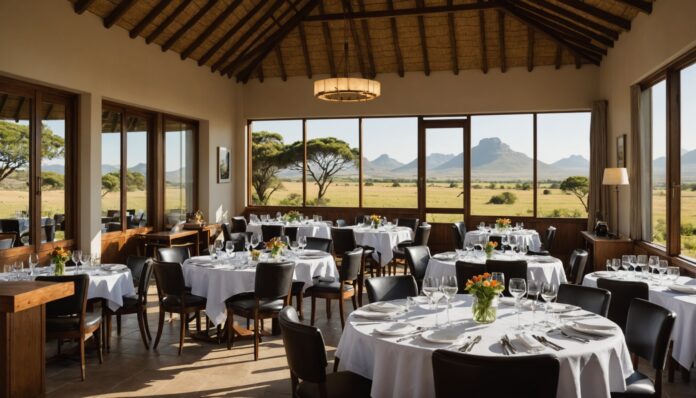
Navigating the Cross-Border Crucible: The Future of the hospitality industry demands strategic vision, technological adaptation, and deep understanding of evolving consumer expectations. As travel markets become increasingly interconnected, hospitality providers across Africa and beyond face a transformative moment that will define the next decade of tourism. The cross-border crucible—a period of intense pressure and transformation—presents both significant challenges and unprecedented opportunities for industry stakeholders who understand the dynamics at play.
The global hospitality sector has experienced seismic shifts in recent years. From pandemic-induced disruptions to changing visa regulations, geopolitical tensions, and evolving sustainability expectations, the industry must continuously adapt. For hospitality professionals in Ghana and across Africa, navigating the cross-border crucible: the future requires comprehensive understanding of how international commerce, regulatory frameworks, and consumer behavior intersect. This article explores the critical factors shaping the hospitality industry’s trajectory and provides actionable insights for stakeholders seeking to thrive in this complex environment.
Understanding the Cross-Border Landscape in Hospitality
The Evolution of International Travel Patterns
The post-pandemic travel landscape has fundamentally changed how people move across borders and book accommodations. According to data from the UNWTO, international tourist arrivals are rebounding faster than projected, with emerging markets like Ghana experiencing accelerated growth. The Ghana hospitality industry overview indicates that the country received over 2 million visitors in 2022, with projections suggesting continued growth through 2030.
What’s particularly significant is the shift toward regional African tourism. Travelers increasingly explore neighboring African countries, creating new cross-border opportunities. This trend is not limited to leisure tourism; business travel, conference tourism, and diaspora tourism represent significant growth sectors. The ability to facilitate seamless cross-border movement—whether through simplified visa processes, clear accommodation information, or coordinated tourism infrastructure—has become a competitive advantage.
Technological Integration Across Borders
Digital transformation has become non-negotiable for hospitality businesses operating across multiple countries. Payment systems, booking platforms, and customer relationship management tools must navigate different regulatory environments, currencies, and compliance requirements. Navigating the cross-border crucible: the future increasingly means implementing technology stacks that can operate in multiple jurisdictions simultaneously.
Key technological considerations include:
- Multi-currency payment processing and conversion systems
- Compliance with data protection regulations (GDPR, local privacy laws)
- Integration of local payment methods and digital wallets
- Scalable platforms supporting multiple languages and regional preferences
- Real-time inventory management across geographically dispersed properties
Regulatory Frameworks and Compliance Challenges
Navigating Visa and Immigration Policies
Immigration policies profoundly impact tourism flows and hospitality demand. Recent initiatives like the African Union’s agenda for visa-free travel across Africa signal a shift toward reduced barriers. However, implementation remains inconsistent. Some African nations have adopted open-door policies, while others maintain complex visa requirements.
For hospitality businesses, these variations create operational complexity. Hotels must understand their guests’ visa requirements, potentially assist with documentation, and ensure their premises comply with immigration oversight. The emergence of digital nomad visas in various countries has created new market segments requiring specialized accommodation amenities and infrastructure. Ghana travel tips accommodation resources increasingly address these evolving traveler categories and their specific needs.
Labor Movement and Staffing Across Borders
The hospitality industry relies heavily on cross-border labor movement for management expertise, specialized skills, and operational support. However, work permits, professional certifications, and labor regulations create barriers. Navigating the cross-border crucible: the future requires developing robust human resources strategies that account for regulatory compliance while attracting international talent.
Progressive hospitality organizations are:
- Establishing regional HR centers to manage compliance across multiple jurisdictions
- Investing in training programs to develop local leadership talent
- Creating mentorship frameworks connecting international and local staff
- Implementing transparent wage structures that account for local economic conditions
- Building institutional knowledge to reduce dependence on expatriate expertise
Market Dynamics and Competitive Positioning
Emerging Markets and Growth Opportunities
African hospitality markets present compelling opportunities for investors and operators. Ghana, Kenya, Nigeria, and South Africa lead continental growth, with Best Hospitality in Ghana in South Africa 2026 representing a comparative analysis of two key markets. The UNWTO projects African tourism will grow at rates exceeding global averages through 2030.
Market positioning in this environment requires understanding local competition, consumer preferences, and operational costs. Budget-conscious travelers represent a significant segment, particularly within Africa. Understanding how to deliver value is critical. Resources like budget friendly accommodation Accra guides reflect the importance of this market segment and the strategies providers use to remain competitive while maintaining quality standards.
Differentiation in Crowded Markets
As more hospitality providers enter African markets, differentiation becomes essential. Generic accommodations struggle to command premium pricing. Successful properties establish clear market positioning through authentic local experiences, sustainability commitments, or specialized services. Navigating the cross-border crucible: the future means recognizing that travelers increasingly seek experiences aligned with their values.
Differentiation strategies include:
- Integrating local artistry, cuisine, and cultural experiences into guest offerings
- Implementing rigorous sustainability and environmental management practices
- Developing specialized properties targeting specific markets (adventure tourism, wellness, business)
- Creating loyalty programs that reward repeated African region exploration
- Partnering with local communities to ensure authentic, mutually beneficial engagement
Sustainability and Responsible Tourism Imperatives
Environmental Management Across Borders
International travelers increasingly prioritize sustainability in accommodation choices. This creates pressure for hospitality providers to implement consistent environmental practices, even while operating across different regulatory environments with varying sustainability standards. Water management, waste reduction, energy efficiency, and carbon footprint reduction have become competitive necessities rather than optional enhancements.
Cross-border sustainability challenges include developing operations that meet international standards while respecting local resource constraints and community needs. A property in Ghana may face different water availability challenges than one in South Africa, requiring customized but equally rigorous sustainability approaches. Navigating the cross-border crucible: the future demands environmental frameworks flexible enough to address local conditions while maintaining global standards.
Community Impact and Stakeholder Engagement
Hospitality operations impact local communities significantly. Employment, infrastructure development, cultural preservation, and economic opportunity flow from well-managed tourism operations. Conversely, poorly managed properties can generate resentment, environmental damage, and social disruption. The Ghana hospitality industry overview emphasizes the importance of community stakeholder engagement and inclusive economic benefits.
Responsible operators address community impacts through:
- Establishing transparent hiring practices prioritizing local employment
- Creating supplier relationships supporting local entrepreneurs and farmers
- Implementing cultural sensitivity training for staff and guests
- Contributing to community development through education or infrastructure projects
- Establishing community advisory boards providing stakeholder input on operations
Consumer Behavior and Market Segmentation Trends
The Rise of Conscious Consumption
Contemporary travelers, particularly millennials and Generation Z, make accommodation choices aligned with personal values. This shifts market dynamics fundamentally. Generic hospitality no longer competes effectively with properties offering transparency, authenticity, and alignment with traveler values. Navigating the cross-border crucible: the future increasingly means understanding and catering to conscious consumers who research properties thoroughly before booking.
These consumers demand:
- Clear information about labor practices and fair wages
- Documented sustainability initiatives with measurable impacts
- Authentic representation of properties and experiences without misleading imagery
- Transparent pricing structures without hidden fees
- Community contribution initiatives clearly explained and measurable
Segmentation and Specialized Hospitality Markets
Rather than pursuing broad market appeal, successful contemporary hospitality businesses often focus on specific segments. Digital nomads, eco-tourists, adventure travelers, business conference attendees, and cultural tourists have distinct needs and preferences. Specialized accommodations command premium pricing while building loyal customer bases. The distinction between budget friendly accommodation Accra and luxury properties reflects this segmentation reality.
Market segments and their characteristics include:
| Market Segment | Key Characteristics | Growth Trajectory | Price Sensitivity |
|---|---|---|---|
| Digital Nomads | Extended stays, reliable connectivity, community spaces | Rapid growth (25%+ annually) | Moderate; values long-term discounts |
| Eco-Tourists | Sustainability focus, nature experiences, low-impact operations | Strong growth (15-20% annually) | Low; willing to pay premium for authenticity |
| Business Travelers | Conference facilities, efficiency, reliable services | Steady growth (5-10% annually) | Low; prioritizes convenience and reliability |
| Adventure/Adventure | Active experiences, local guides, community engagement | Very strong growth (20-30% annually) | Moderate to low; values experience authenticity |
| Diaspora Tourists | Cultural connection, authentic experiences, family-friendly | Emerging growth (15%+ annually) | Moderate; price-conscious but values quality |
Technology, Innovation, and Future-Ready Operations
Artificial Intelligence and Personalization
Artificial intelligence is transforming hospitality operations across borders. AI-powered systems can manage reservations, personalize guest experiences, optimize pricing dynamically, and predict customer needs with increasing accuracy. For multi-property, multi-country operations, AI enables consistent guest experiences despite operational complexity.
Navigating the cross-border crucible: the future means leveraging AI for competitive advantage while maintaining human authenticity. Guests appreciate personalized service, but not to the point of feeling surveilled or manipulated. Ethical AI implementation balances operational efficiency with guest privacy and autonomy. Successful hospitality organizations are implementing AI for:
- Predictive maintenance reducing unexpected property failures
- Revenue management optimizing pricing across multiple properties and markets
- Personalized guest recommendations and experience customization
- Chatbot support providing instant responses in multiple languages
- Predictive analytics forecasting demand and informing operational decisions
Blockchain, Smart Contracts, and Trust Infrastructure
Blockchain technology addresses specific cross-border challenges in hospitality. Payment processing, contract management, and identity verification become more efficient and trustworthy through distributed ledger systems. Smart contracts can automate complex multi-party agreements involving hotels, tour operators, airlines, and ground handlers across multiple jurisdictions.
While still emerging in mainstream hospitality applications, blockchain offers particular value for cross-border operations by reducing intermediaries, increasing transparency, and enabling faster settlement. Cryptocurrency payment options, while controversial, appeal to certain traveler segments and simplify cross-border transactions. Progressive hospitality organizations are exploring these technologies carefully, recognizing both opportunities and regulatory uncertainties.
Frequently Asked Questions: Navigating the Cross-Border Crucible
What are the primary challenges hospitality businesses face when operating across borders in Africa?
Hospitality businesses operating across African borders encounter multiple challenges: inconsistent regulatory frameworks, visa policy variations, diverse currency and payment systems, labor movement restrictions, and quality standard inconsistencies. Navigating the cross-border crucible: the future requires developing flexible operational systems that maintain quality and consistency while adapting to local conditions. Additionally, supply chain complexity, infrastructure inconsistencies, and sometimes limited access to specialized supplies create operational difficulties. Successful operators develop regional expertise, establish strong local partnerships, and implement systems designed for flexibility and resilience.
How is technology changing cross-border hospitality operations?
Technology is revolutionizing cross-border operations through cloud-based systems enabling real-time inventory and booking management across properties in multiple countries. Digital payment systems handle currency conversions transparently. AI personalizes guest experiences consistently across properties. Blockchain and smart contracts simplify complex multi-party agreements. Communication tools enable seamless coordination between geographically dispersed teams. These technologies reduce operational friction, improve guest experiences, and enable smaller operators to compete with international chains by providing comparable service quality across multiple locations.
What role does sustainability play in competitive positioning for cross-border hospitality?
Sustainability has evolved from optional differentiation to competitive necessity. International travelers, particularly from developed markets, increasingly evaluate accommodation based on environmental and social impact. Ghana hospitality industry overview resources emphasize that properties demonstrating rigorous sustainability commitment command premium pricing and attract loyal customers. Cross-border operations must implement consistent sustainability standards while respecting local resource constraints and community needs. This requires customized approaches but unified commitment to environmental stewardship and social responsibility.
How do visa and immigration policies impact hospitality demand and operations?
Visa policies directly influence tourism flows. Simplified visa regimes or visa-free travel agreements increase visitor volumes and extend stay lengths. Complex requirements deter discretionary travelers. For hospitality businesses, favorable visa policies expand addressable markets and reduce operational complexity. Properties must stay informed about visa requirement changes, potentially assist guests with documentation, and ensure compliance with immigration oversight. Regional visa harmonization initiatives, like those pursued by the African Union, present significant opportunities for African hospitality markets by increasing intra-Africa travel.
What market segments offer the strongest growth opportunities in African hospitality?
Digital nomads, eco-tourists, adventure travelers, and diaspora tourists represent the strongest growth segments in African hospitality markets. Digital nomads seek extended stay accommodations with community spaces and reliable connectivity, growing at 25%+ annually. Eco-tourists prioritize sustainability and nature experiences, growing 15-20% annually. Adventure travelers seek active experiences and local engagement, growing 20-30% annually. Diaspora tourists—African diaspora returning to explore heritage and connect with communities—represent emerging growth at 15%+ annually. Resources like budget friendly accommodation Accra guides address multiple segments, recognizing that successful operators tailor offerings to specific market needs rather than pursuing broad appeal.
Conclusion: Thriving in the Cross-Border Crucible
Navigating the cross-border crucible: the future of hospitality requires vision, flexibility, and commitment to continuous improvement. The industry faces unprecedented complexity from regulatory variations, technological disruption, and evolving consumer expectations. Simultaneously, it encounters extraordinary opportunities as emerging African markets experience accelerated tourism growth and regional travel expands dramatically.
Success in this environment demands several critical capabilities. First, organizations must develop deep expertise in their operating regions, understanding regulatory environments, consumer preferences, and competitive dynamics. Generic approaches fail; customized strategies respecting local contexts succeed. Second, technological sophistication has become non-negotiable. Organizations lacking cloud-based systems, data analytics, and digital customer engagement tools cannot compete effectively. Third, authentic commitment to sustainability and community impact is essential, not optional. Travelers increasingly evaluate properties based on these dimensions, and local communities expect meaningful economic and social benefits from tourism development.
For hospitality professionals in Ghana and across Africa, the current moment represents opportunity. Regional tourism growth projections are strong. International investors increasingly recognize African potential. Local entrepreneurs have advantages understanding their markets, communities, and opportunities. Whether through Ghana travel tips accommodation resources, comparative analysis frameworks like Best Hospitality in Ghana in South Africa 2026, or specialized market analysis like budget friendly accommodation Accra guides, the foundation exists for knowledge-informed decision-making.
The Ghana hospitality industry overview and broader African hospitality context reflect an industry at an inflection point. Organizations that successfully navigate the cross-border crucible will establish dominant positions as markets mature. Those that view this period as temporary turbulence rather than transformational opportunity will struggle.
For stakeholders seeking to thrive in this environment, the time for decisive action is now. Evaluate your current cross-border operational capabilities honestly. Identify critical gaps in technology, talent, regulatory expertise, or market understanding. Develop strategies addressing these gaps systematically. Engage with industry peers, regulatory bodies, and community stakeholders. Stay informed through resources from the UNWTO and regional hospitality associations. Most importantly, commit to the long-term vision of building hospitality businesses that deliver exceptional guest experiences, contribute meaningfully to local communities, operate sustainably, and position themselves as leaders in this transformative era.
Navigating the cross-border crucible: the future begins today. The organizations that act decisively, learn continuously, and commit to responsible growth will define African hospitality’s next chapter. Your role in this transformation awaits.

